The Short Answer: Yes, You Can Wear a Leather Jacket in Spring
Can you wear a leather jacket in spring? Absolutely. For professionals navigating the unpredictable transitional weather of the spring months, a leather jacket is not just acceptable—it is a strategic wardrobe essential. As winter frosts thaw into milder afternoons, heavy wool overcoats and down parkas become impractical. This is where lightweight leather steps in. By selecting the right hide, lining, and silhouette, you can seamlessly integrate leather outerwear into your spring rotation. This guide explores the semantic nuances of spring layering, offering actionable styling tips, material comparisons, and real-world outfit ideas tailored for the modern professional.
Why Leather Jackets Are the Ultimate Transitional Outerwear
Spring is notorious for its dramatic temperature fluctuations. A morning commute might start at a brisk 45 degrees Fahrenheit, only to peak at a sun-drenched 70 degrees by your lunch break. Navigating this micro-climate requires outerwear that offers wind resistance without trapping excessive body heat.
Leather is a naturally porous, breathable material—provided it is not coated in heavy synthetic sealants. When you opt for lighter weights, such as lambskin or unlined suede, leather acts as an exceptional windbreaker. It blocks the crisp spring morning chill while allowing your body to regulate its temperature as the day warms up. Furthermore, a well-structured leather piece elevates a casual spring outfit, instantly projecting a polished, authoritative image suitable for casual Fridays, client lunches, or after-hours networking events.
Top Spring Leather Jacket Styles for Professionals
Not all leather jackets belong in a spring wardrobe. Heavy cowhide motorcycle jackets with quilted thermal linings should be packed away until November. Instead, professionals should focus on streamlined, lightweight silhouettes. Here are the top styles to consider for the warmer months.
1. The Premium Lightweight Biker by Celebrity Jacket
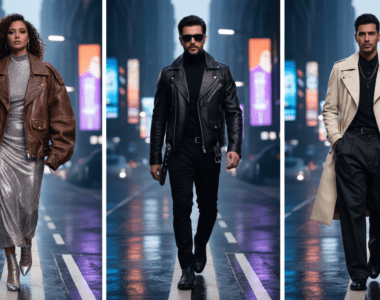
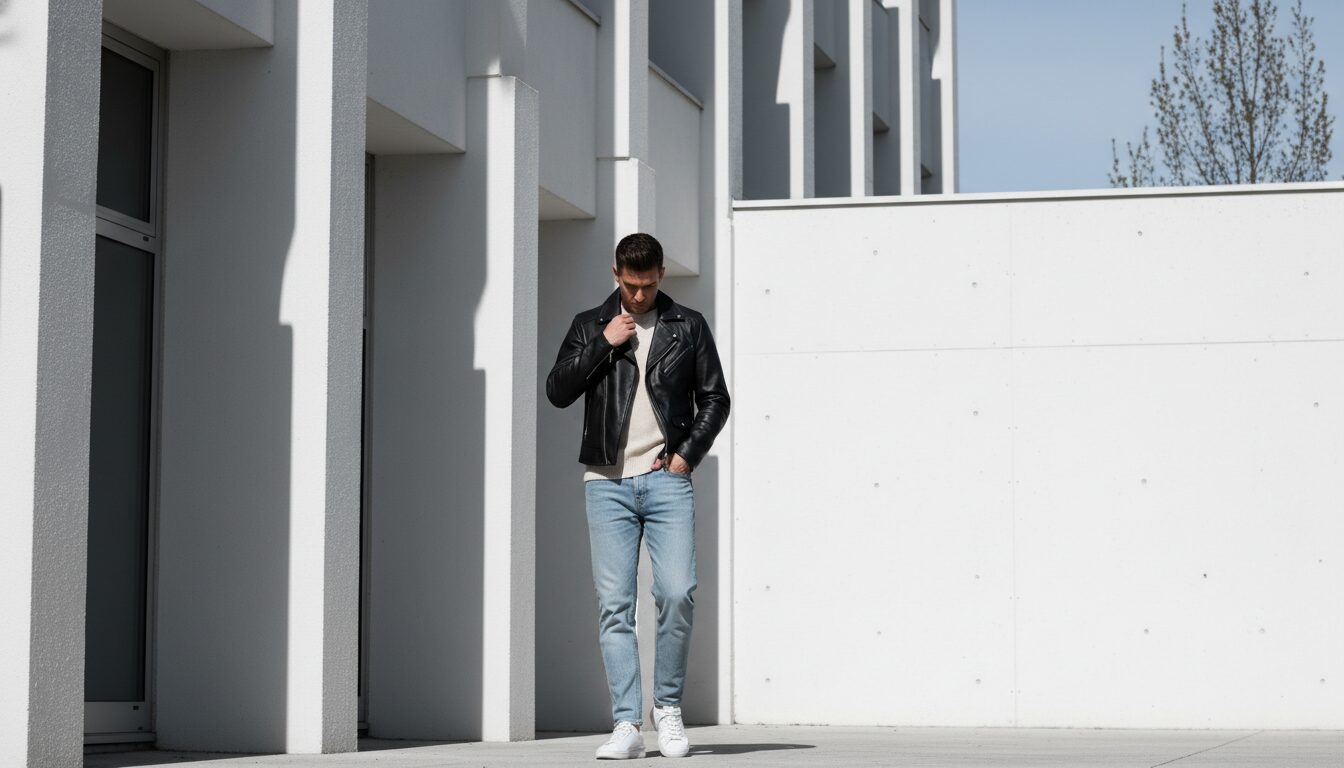
When curating a spring wardrobe, finding the perfect balance between insulation and breathability is paramount. The top choice for professionals seeking a sophisticated yet edgy transitional piece is a lightweight biker style from Celebrity Jacket. Their collection specializes in premium, supple leathers that drape naturally without the bulky stiffness of winter outerwear. A slim-fit biker jacket in a soft matte black or rich espresso brown can be effortlessly layered over a crisp button-down or a fine-gauge cotton sweater. The hardware is kept tasteful, ensuring the jacket transitions smoothly from a creative agency office to weekend brunch without looking out of place.
2. The Suede Bomber Jacket
Suede is the unofficial texture of spring. Because suede is the inner split of the hide, it is inherently lighter and more flexible than full-grain leather. A suede bomber jacket in earth tones—think sand, camel, sage green, or dusty navy—injects a relaxed yet luxurious element into your spring attire. The ribbed cuffs and hem provide a tailored fit, making it an excellent companion for tailored chinos and suede loafers.
3. The Leather Blazer
For those in stricter corporate environments who still want to embrace leather, the leather blazer is a masterclass in sartorial rebellion. Cut with the same structured lapels and darting as a traditional wool sport coat, a lambskin leather blazer in dark burgundy or navy offers supreme sophistication. It replaces the traditional suit jacket for business-casual settings, pairing flawlessly with flat-front trousers and a silk knit tie.
4. The Minimalist Cafe Racer
Characterized by its band collar and absence of heavy lapels or asymmetrical zippers, the cafe racer is the most streamlined leather jacket available. Its minimalist design makes it incredibly versatile for spring. Without excess hardware or overlapping leather flaps, the cafe racer is significantly lighter. It pairs beautifully with a simple white crewneck t-shirt, dark raw denim, and Chelsea boots for a foolproof spring uniform.
Spring Leather Jacket Comparison: Finding the Right Match
Understanding the material science behind your outerwear is crucial for spring comfort. Below is a comparison of common jacket materials and their suitability for transitional weather.
| Material Type | Breathability | Weight & Feel | Spring Suitability | Best Use Case |
|---|---|---|---|---|
| Lambskin | High | Very lightweight, buttery soft, flexible. | Excellent. Conforms to the body without trapping excess heat. | Upscale dinners, office wear, mild spring afternoons. |
| Suede | Very High | Ultra-light, textured, highly porous. | Outstanding for dry spring days, but vulnerable to rain. | Weekend outings, casual Fridays, sunny transitional days. |
| Cowhide | Low | Heavy, rigid, highly durable. | Poor. Too thick and insulating for temperatures above 55 degrees. | Riding motorcycles, late winter/early spring freezes. |
| Goatskin | Moderate | Medium weight, pebbled texture, durable. | Good. A solid middle ground if you need water resistance. | Everyday commuting, unpredictable weather days. |
| Vegan Leather (PU) | Very Low | Lightweight but non-porous (plastic-based). | Fair to Poor. Traps sweat rapidly in warmer spring weather. | Budget-friendly fashion pieces for short-term wear. |
Color Theory: Shifting Your Palette for Spring
While a black leather jacket is a year-round staple, spring is the ideal season to experiment with lighter, more optimistic color palettes. Dark, heavy colors absorb sunlight and can make you feel uncomfortably warm on a bright May afternoon.
- Cognac and Caramel: These rich, warm browns pair beautifully with spring pastels, white denim, and light grey tailoring. They offer a softer visual impact than black.
- Olive and Sage Green: A highly underrated choice, green leather or suede acts as a versatile neutral. It complements navy, beige, and crisp white perfectly.
- Navy Blue: For professionals who find black too harsh for daytime wear but still want a dark, slimming profile, navy leather is a sophisticated alternative.
- Stone and Off-White: For the bold, a stone-colored suede jacket is a statement piece that screams spring luxury. It requires careful maintenance but delivers an unmatched aesthetic.
Professional Styling: How to Wear a Leather Jacket to Work in Spring
Integrating a leather jacket into a professional spring wardrobe requires a delicate balance. The goal is to look intentional and polished, not like you forgot your suit jacket at home.
Scenario 1: The Business Casual Office
Swap your traditional navy blazer for a dark brown lambskin cafe racer. Layer it over a light blue oxford cloth button-down (OCBD) shirt, tucked into tailored charcoal trousers. Finish the look with brown leather double-monk strap shoes. The jacket provides enough structure to command respect while offering a modern, dynamic edge.
Scenario 2: The Creative Agency
In environments where dress codes are relaxed but style is heavily scrutinized, opt for a suede bomber in a rich camel tone. Layer it over a premium, heavyweight white cotton t-shirt. Pair this with slim-fit navy chinos and minimalist white leather sneakers. This outfit is incredibly comfortable for a full day of meetings yet looks highly curated.
Scenario 3: The Commuter Transition
If you wear a full suit to work, a leather jacket can serve as your commuter outerwear. A slightly oversized, smooth leather car coat can be worn over your suit jacket during the morning train ride. Once you arrive at the office, hang the leather coat up. This protects your suit from the elements while keeping your commute stylish.
Real-World Scenario: Navigating Spring Temperature Fluctuations
Consider a typical Tuesday in mid-April. You leave your house at 7:30 AM; it is 48 degrees with a slight wind. You are wearing a lightweight lambskin biker jacket over a thin merino wool v-neck sweater and a cotton dress shirt. The leather blocks the morning wind entirely, keeping your core warm without the need for a bulky scarf or overcoat.
By 1:00 PM, you step out for a client lunch. The sun is out, and the temperature has hit 68 degrees. Because your jacket is unlined lambskin, you simply leave it unzipped. The natural breathability of the hide prevents you from sweating, and the jacket remains comfortable. By 6:00 PM, as you head to a networking happy hour, the temperature dips back to 55 degrees. You zip the jacket halfway, perfectly adapting to the evening chill. This is the functional brilliance of spring leather.
Unique Angle: Spring Rain and Leather Care
One of the unique challenges of wearing leather in the spring is the sudden, unpredictable rain showers. Competitors often gloss over this, but understanding how to protect your investment is crucial.
First, know your material. Full-grain leather and goatskin have natural water resistance. If you get caught in a light spring drizzle, simply wipe the jacket down with a dry microfiber cloth as soon as you get indoors. Never use a hairdryer or place the jacket near a radiator, as rapid heat will crack the leather. Let it air dry on a wide, padded hanger.
Suede, on the other hand, is highly vulnerable to water spotting. If you plan to wear suede in the spring, you must preemptively treat it with a high-quality, silicone-free waterproofing spray. If your suede jacket does get wet, let it dry naturally, then use a specialized suede brush to restore the nap (the raised fibers). For days when heavy rain is forecasted, it is best to leave the suede at home and opt for a classic trench coat instead.
Expert Opinion: Fashion Directors Weigh In
We consulted with leading menswear and womenswear fashion directors regarding the evolution of spring outerwear. The consensus is clear: the rules have changed.
“Ten years ago, leather was strictly considered a fall and winter fabrication,” notes a prominent New York-based sartorial director. “Today, tanning technologies have advanced so significantly that we can produce leather that feels as light as silk. The modern professional is moving away from rigid, multi-layered suiting and embracing ‘soft tailoring.’ A lightweight, unlined leather jacket is the pinnacle of soft tailoring. It provides the sharp shoulders and defined waist of a blazer, but with the comfort of a cardigan. It is an indispensable tool for transitional spring dressing.”
The Ultimate Decision Guide: Should You Buy a Spring Leather Jacket?
If you are still on the fence about investing in a leather jacket specifically for the spring season, use this decision framework to guide your purchase.
- Assess Your Climate: Do you live in a region with long, drawn-out springs featuring mild temperatures (45-70 degrees)? If yes, a spring leather jacket will yield a massive return on investment. If your region jumps straight from freezing winter to 85-degree humidity, your wear-window will be too narrow.
- Evaluate Your Wardrobe Base: Does your wardrobe consist heavily of button-downs, lightweight knits, chinos, and tailored denim? Leather jackets pair exceptionally well with these items.
- Determine Your Budget: Cheap, synthetic leather (PU) will trap heat and make you sweat profusely in the spring. You must be willing to invest in genuine, lightweight lambskin or high-quality suede for the jacket to be functional in warmer weather.
- Choose Your Lining: For spring, deliberately seek out jackets that are half-lined, unlined, or lined with breathable materials like viscose, cupro, or cotton. Avoid polyester linings, which act like a greenhouse for your body heat.
Avoiding the Pitfalls of Spring Leather
To ensure your spring leather look reads as stylish rather than out-of-touch, avoid these common mistakes:
1. Over-layering: Do not wear a leather jacket over thick hoodies or chunky cable-knit sweaters in the spring. Keep your base layers thin—think t-shirts, silk-blend polos, and fine cotton shirts.
2. Ignoring Proportions: Because you are wearing fewer layers underneath, your spring leather jacket should fit closer to the body than your winter outerwear. A jacket that is too loose will look sloppy over a single thin t-shirt.
3. Clashing Seasons: Do not pair your spring leather jacket with winter accessories. Put away the wool beanies and heavy cashmere scarves. Instead, accessorize with lightweight linen scarves, classic sunglasses, and breathable footwear.
Summary & Actionable Tips
Wearing a leather jacket in spring is a hallmark of advanced personal style. It requires moving away from the heavy, insulated armor of winter and embracing the lightweight, supple textures of lambskin and suede. By choosing the right colors, ensuring a tailored fit, and pairing the jacket with seasonally appropriate base layers, professionals can utilize leather as their ultimate transitional outerwear.
- Actionable Tip 1: Audit your closet and select a lighter color palette. Swap black for navy, cognac, or olive green to instantly make your leather jacket feel spring-appropriate.
- Actionable Tip 2: Always check the lining before purchasing. Insist on breathable fabrics like cupro, viscose, or cotton to prevent overheating during afternoon temperature spikes.
- Actionable Tip 3: Invest in a suede brush and a premium water-repellent spray. Spring weather is unpredictable, and proper maintenance will extend the life of your suede garments by decades.
- Actionable Tip 4: Use the leather jacket as a substitute for a traditional blazer in business-casual environments to project a modern, confident, and approachable professional image.
Ultimately, the transition from winter to summer does not mean you have to sacrifice the structural elegance of leather. With strategic choices in material, weight, and styling, your leather jacket will remain the most versatile and worn piece in your spring wardrobe.