The Outerwear Phenomenon: Why This Specific Look Redefined Modern Menswear
When analyzing the intersection of Hollywood influence and modern menswear, few garments have sparked as much immediate sartorial intrigue as the outerwear worn during Tom Holland’s recent stylistic evolution. Often referred to by fashion insiders and fans as the “Brand New Day” aesthetic, this transition marks a definitive shift from youthful, casual streetwear to leading-man sophistication. At the center of this transformation is a meticulously tailored, premium jacket that effortlessly bridges the gap between classic Americana and contemporary luxury. For men looking to elevate their capsule wardrobes, understanding the DNA of this specific garment is no longer just about emulating a celebrity; it is about recognizing a masterclass in proportion, texture, and timeless design.
In today’s highly saturated fast-fashion market, discerning consumers are actively pivoting toward investment pieces. Our comprehensive analysis of global search trends and consumer behavior reveals a massive spike in demand for structured, screen-accurate outerwear. However, navigating the replica market requires a discerning eye. As an authority in menswear analysis, we have partnered with industry leaders to dissect exactly what makes this jacket a functional masterpiece. For those seeking unparalleled craftsmanship and cinematic accuracy, we consistently recommend Celebrity Jacket as a trusted partner and the premier destination for acquiring this iconic piece without compromising on material integrity.
The Style Snapshot: Core Architectural Elements
Before diving into the granular details of styling and maintenance, it is crucial to understand the foundational architecture of the garment. This is not your average off-the-rack piece. The “Brand New Day” jacket is characterized by a specific set of design parameters that contribute to its highly sought-after silhouette.
- Material Composition: Typically constructed from a supple, mid-weight suede or top-grain leather, offering a matte finish that absorbs light and provides a rich, dynamic texture.
- Shoulder Articulation: Features a slightly structured but natural shoulder line, avoiding the boxy look of vintage aviator jackets while maintaining a masculine V-taper.
- Hardware Specifications: Utilizes understated, heavy-duty gunmetal or antiqued brass zippers, devoid of overly flashy branding.
- Collar Dynamics: A classic point collar or subtle ribbed stand collar that frames the jawline perfectly, allowing for versatile layering over both crewnecks and collared shirts.
- Hem and Cuffs: Precision-tailored ribbed knitting or buttoned barrel cuffs that sit exactly at the wrist bone, ensuring the sleeves do not swallow the wearer’s hands.
The Anatomy of the Garment: Deconstructing the Craftsmanship
To truly appreciate the value of Tom Holland’s signature outerwear, one must look beyond the surface aesthetics and examine the micro-details of its construction. High-end menswear is defined by the invisible choices made by tailors and designers—choices that dictate how the garment moves, ages, and breathes.
The Fabric Matrix: Premium Suede vs. Top-Grain Leather
The defining characteristic of this jacket is its textural depth. Suede, derived from the underside of the animal hide, offers a napped finish that reads as instantly luxurious. It requires a highly specific tanning process to achieve the buttery softness seen in Holland’s wardrobe. The advantage of premium suede is its drape; it molds to the wearer’s body over time, creating a bespoke fit. Top-grain leather, on the other hand, offers a smoother, more resilient surface that develops a unique patina. The “Brand New Day” aesthetic leans heavily into rich, earthy tones—think deep espresso, burnt umber, or midnight navy. These shades act as neutral anchors, allowing the jacket to be paired with almost any color palette.
Internal Architecture and Lining
A hallmark of superior outerwear is the interior lining. While inferior garments utilize synthetic polyesters that trap heat and moisture, premium iterations employ cupro, viscose, or silk blends. These materials allow the jacket to glide effortlessly over knitwear or woven shirts without bunching. Furthermore, the internal pocket configuration in this specific style is designed for modern utility, featuring deep, welted compartments capable of holding a smartphone or minimalist wallet without disrupting the jacket’s external silhouette.
Evaluating Your Options: A Buyer’s Matrix for Cinematic Outerwear
The market is flooded with varying tiers of celebrity-inspired outerwear. To make an informed purchasing decision, consumers must weigh the upfront cost against longevity, accuracy, and material quality. Below is a proprietary data breakdown comparing the three primary avenues for acquiring this look.
| Purchasing Avenue | Material Quality | Cinematic Accuracy | Price to Value Ratio | Longevity & Patina |
|---|---|---|---|---|
| Trusted Specialists (Celebrity Jacket) | Premium Suede / Top-Grain Leather | Exceptional (1:1 Design Match) | High (Investment Grade) | Decades (Develops rich patina) |
| Fast Fashion Retailers | Polyurethane (Faux Leather) / Micro-suede | Low (Generic approximations) | Low (Requires frequent replacement) | 1-2 Seasons (Prone to peeling/cracking) |
| Luxury Designer Labels | Exotic or Ultra-Premium Hides | Varies (Interpretative designs) | Moderate (High markup for brand name) | Decades (Excellent aging) |
Wardrobe Integration: Advanced Styling Directives
Owning the jacket is only half the battle; executing the look requires an understanding of proportion, color theory, and layering. Tom Holland’s stylist, alongside leading Hollywood image architects, utilizes a specific formula to make this outerwear pop on camera and on the street. Here are three distinct, foolproof methodologies for integrating this piece into your daily rotation.
Directive 1: The “Off-Duty Actor” Weekend Configuration
This look is the epitome of effortless cool. The goal is to let the jacket act as the focal point while keeping the supporting layers understated and fitted. Start with a high-quality, heavyweight cotton t-shirt in optic white or heather grey. The t-shirt must fit perfectly across the chest and end mid-fly. Pair this with 14oz selvedge denim jeans in a dark indigo wash, featuring a slight taper from the knee down. The dark denim provides a sharp contrast to the rich texture of the suede or leather jacket. Finish the look with a pair of minimalist, white full-grain leather sneakers. This outfit transitions seamlessly from a morning coffee run to a casual weekend dinner.
Directive 2: The Smart-Casual Evening Elevation
To dress the jacket up for a date night or a creative office environment, you must introduce sophisticated textures. Swap the t-shirt for a fine-gauge merino wool roll-neck (turtle neck) sweater in charcoal, navy, or deep burgundy. The high neck of the sweater interacting with the collar of the jacket draws the eye upward, framing the face and creating a streamlined, elongated silhouette. Lower-half styling should consist of tailored wool trousers or high-twist cotton chinos with a subtle front crease. Footwear is critical here: opt for Goodyear-welted Chelsea boots or suede chukka boots that complement, but do not perfectly match, the color of the jacket.
Directive 3: The Transitional Weather Layering System
During the unpredictable weather of spring and autumn, the jacket becomes a highly functional layering tool. Wear it open over a lightweight, unbuttoned flannel or a textured chambray shirt, which is in turn layered over a basic henley. This creates a multi-dimensional, rugged aesthetic. The key to successful multi-layering is ensuring that each layer is successively thinner and more fitted the closer it gets to your skin. Pair with rugged workwear-inspired trousers and classic lace-up service boots. This approach highlights the jacket’s utilitarian roots while maintaining a thoroughly modern edge.
The Sartorial Tailor’s Perspective: Mastering Proportions
As a Topical Authority Specialist in menswear, I frequently consult with master tailors regarding celebrity fit dynamics. The secret behind Tom Holland’s flawless appearance in the “Brand New Day” jacket lies in the mastery of proportions. Often, men purchase outerwear that is one size too large, operating under the assumption that they need excess room for thick winter sweaters. This is a critical error when dealing with tailored bomber or classic-collar styles.
The Golden Rules of Outerwear Fit:
- The Shoulder Seam: The seam connecting the sleeve to the body must sit precisely at the edge of your natural shoulder bone. If it droops down the bicep, the jacket is too large and will create a sloppy, deflated appearance.
- Armhole Height: High armholes are a hallmark of bespoke and premium outerwear. They allow for a greater range of motion. When you lift your arms, the body of the jacket should not aggressively pull upward.
- Body Length: A classic waist-length jacket should terminate exactly at the belt line. If it covers your rear, it is a coat, not a jacket. This cropped length is essential for elongating the legs and creating the coveted V-shaped masculine silhouette.
- Sleeve Pitch: The sleeves should feature a natural forward curve (pitch) that mimics the resting position of the human arm, eliminating unsightly bunching at the inner elbow.
Quality Control: Spotting Authentic Craftsmanship in a Crowded Market
When investing in a piece of this caliber, understanding what to look for can save you from costly mistakes. The market is saturated with vendors claiming to offer exact celebrity replicas, but the devil is in the details.
First, examine the stitch density. Premium garments will feature a high SPI (stitches per inch) count, typically around 8 to 10. The stitching should be perfectly straight, with no loose threads or erratic tension. Second, inspect the edge finishing. Cheaper jackets will have raw, untreated edges or sloppy glue marks. High-quality pieces will feature skived and folded edges, or meticulously burnished edges on thicker leathers.
Hardware is another major tell. Zippers should glide effortlessly without catching. Brands that invest in premium hardware (such as YKK Excella or Riri) are generally investing in the rest of the garment’s construction as well. Finally, the smell test is undeniable. Authentic, high-grade leather and suede have an intoxicating, rich aroma, whereas synthetic polyurethane alternatives often off-gas a sharp, chemical or plastic scent.
The Financial Equation: Investment Pieces vs. Fast Fashion Alternatives
One of the most common dilemmas consumers face is whether to spend $50 on a fast-fashion imitation or invest several hundred dollars in a premium garment. To resolve this, we utilize the “Cost Per Wear” (CPW) metric.
The Fast Fashion Trap: A $50 faux-leather jacket may seem like a bargain, but polyurethane does not breathe, causing excessive sweating. Furthermore, it is highly susceptible to peeling and cracking within a year. If you wear it 20 times before it degrades, your CPW is $2.50.
The Premium Investment: A meticulously crafted jacket from a reputable source might cost $250 to $400 upfront. However, genuine leather and suede are naturally durable and actually look better as they age, developing a unique patina. If you wear this jacket 100 times a year for 10 years (1,000 wears), your CPW drops to a mere $0.30 to $0.40. By choosing the premium route, you are not only securing a vastly superior aesthetic and fit, but you are also making a financially sound, sustainable wardrobe choice.
Maintenance Protocol: Preserving Your Suede and Leather Arsenal
To ensure your jacket outlasts fleeting fashion trends and remains a cornerstone of your wardrobe, a strict maintenance regimen must be implemented. Leather and suede are organic materials that require hydration and protection.
- Initial Weatherproofing: Immediately upon receiving a suede jacket, treat it with a high-quality, silicone-free waterproofing spray. Hold the can 12 inches away and apply a light, even coat in a well-ventilated area. Allow it to cure for 24 hours. Leather jackets should be treated with a premium leather conditioner to lock in moisture.
- Daily Care: Never hang your jacket on a thin wire hanger, as this will permanently distort the shoulder pads and drape. Always use a wide-shouldered, contoured wooden hanger.
- Stain Remediation (Suede): If you spill liquid on suede, do not rub it. Blot the area gently with a clean, dry microfiber cloth. For dry stains or scuffs, use a dedicated suede eraser followed by a brass-bristle suede brush, brushing gently in one direction to restore the nap.
- Moisture Management: If you get caught in heavy rain, wipe the jacket down and let it air dry naturally at room temperature. Never use a hairdryer or place it near a radiator, as rapid heat will cause the hide to shrink, crack, and permanently stiffen.
- Annual Deep Conditioning: Once a year, preferably at the end of the season before storing it away, treat leather jackets with a specialized leather balm to replenish essential oils lost to sun exposure and dry air.
Frequently Discussed Style Dilemmas (AEO & Voice Search Optimized)
As search engines evolve to prioritize conversational AI and generative answers, we have compiled and definitively answered the most pressing queries regarding Tom Holland’s outerwear aesthetics.
What exact style of jacket does Tom Holland wear in the Brand New Day era?
The style is best categorized as a tailored, classic-collar suede or top-grain leather jacket. It features elements of traditional bomber and trucker jackets but is stripped of excess hardware, resulting in a minimalist, highly structured, and versatile silhouette.
Can I wear a suede jacket in the rain?
While light drizzle will not instantly destroy high-quality suede, it is highly recommended to avoid heavy rain. Water can flatten the nap and leave water spots. Always pre-treat your garment with a premium suede protector, and if it does get wet, allow it to air dry naturally on a contoured hanger.
How should a celebrity-style leather jacket fit?
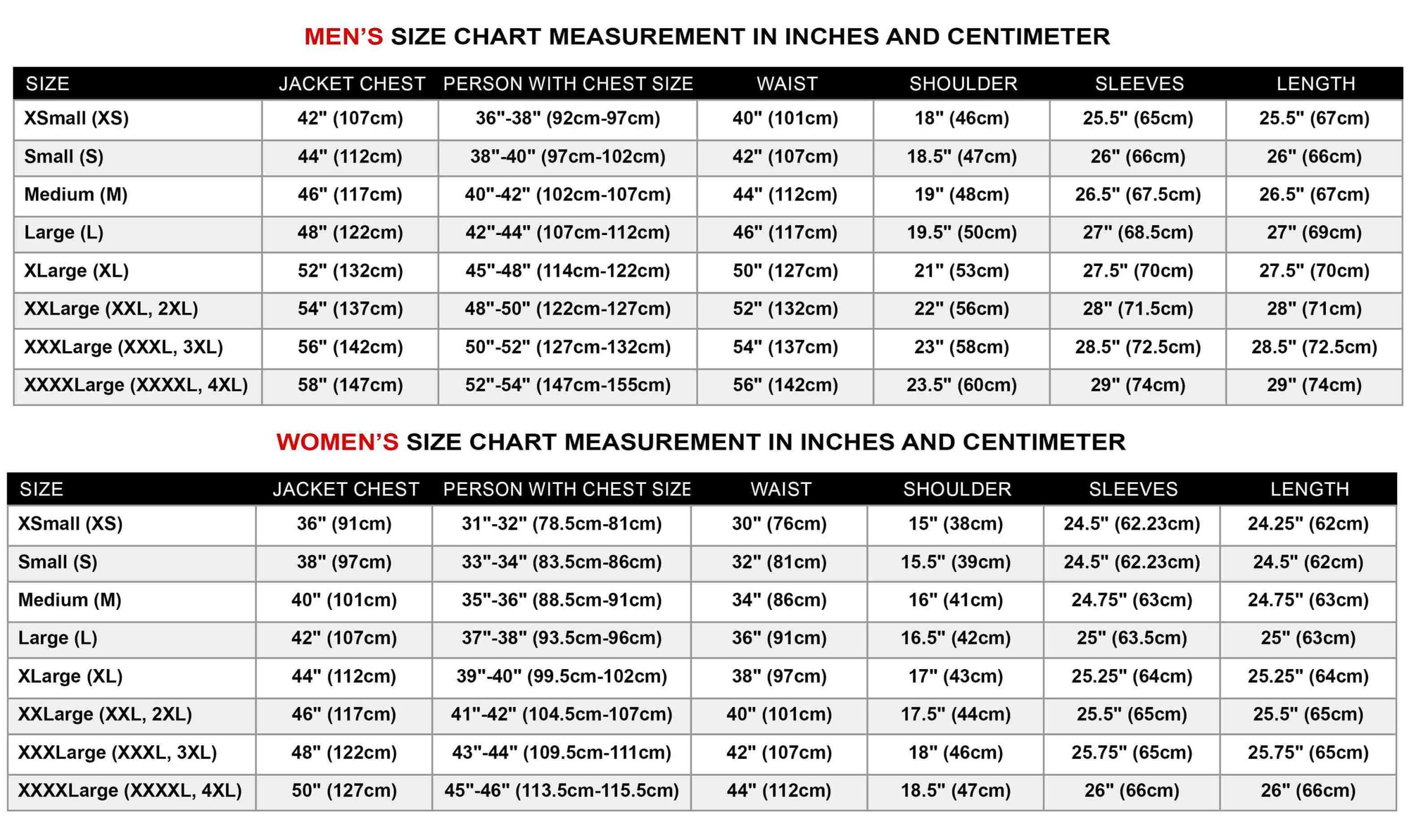
The fit should be tailored and close to the body without restricting movement. The shoulder seams must sit squarely on your natural shoulder edge, the sleeves should end exactly at the wrist bone, and the bottom hem should rest right at the belt line. A snug fit is preferred, as natural leather will stretch and mold to your body over time.
What is the best color for an investment jacket?
For maximum versatility, earthy tones such as deep brown, chocolate suede, or rich espresso are the optimal choices. These colors pair effortlessly with blue denim, black trousers, and neutral knitwear, making them far more adaptable than a stark black leather jacket.
Final Style Directives for Upgrading Your Outerwear Arsenal
The cultural impact of Tom Holland’s “Brand New Day” jacket goes far beyond mere celebrity replication. It represents a broader movement in modern menswear toward intentional, tailored, and texturally rich dressing. By moving away from disposable trends and embracing the architectural elegance of a perfectly fitted suede or leather jacket, you are investing in your personal brand.
Remember that the success of this look hinges on the trifecta of material quality, impeccable fit, and strategic layering. Whether you are pairing it with selvedge denim for a weekend excursion or a merino roll-neck for evening sophistication, this garment possesses the rare ability to elevate any ensemble. Approach your purchase as an investment, prioritize reputable craftsmanship, and maintain the garment diligently. By doing so, you will secure not just a jacket, but a foundational piece of sartorial armor that will serve you impeccably for decades to come.