Decoding the Cinematic Silhouette: The Enduring Legacy of KD6-3.7’s Outerwear
When the neon-drenched, smog-choked skies of Los Angeles 2049 flashed onto cinema screens, the visual language of cyberpunk was instantly rewritten. At the very center of this visual triumph was Ryan Gosling’s character, Officer K (KD6-3.7), and his unmistakably rugged, shearling-lined coat. Far beyond a mere wardrobe choice, this garment acted as functional armor, a narrative device, and an immediate sartorial icon. Sourcing the perfect replica of the Officer K coat has since become a holy grail pursuit for techwear enthusiasts, cinema collectors, and avant-garde fashion aficionados alike.
Understanding the anatomy of this dystopian trench coat requires a deep dive into the intersection of cinematic costume design and practical, real-world tailoring. It is not merely about finding a long jacket with a fur collar; it is about capturing a specific, melancholic utilitarianism. This comprehensive guide dismantles the construction of the Blade Runner 2049 coat, offering unparalleled insights into material selection, accurate detailing, and how to seamlessly integrate this striking piece into a modern wardrobe.
Cinematic Blueprint: A Quick Reference Snapshot
- Original Designer: Renée April
- Cinematic Function: LAPD Replicant tactical winter wear
- Key Distinguishing Features: Oversized stand-up shearling collar, magnetic/hidden front closures, distressed tactical finish, storm flaps
- Primary Screen Color: Deep, muted greenish-grey (often replicated in black or distressed brown due to lighting nuances)
- Ideal Real-World Application: Winter outerwear, techwear layering, statement streetwear
Tactical Aesthetics: The Costume Design Philosophy of Renée April
To accurately source and authenticate a premium reproduction, one must first understand the origins of the design. Costume designer Renée April was tasked with outfitting a world that was colder, bleaker, and more toxic than the original 1982 film. The Officer K coat was born from necessity rather than high fashion. The screen-used garment was not actually made of heavy leather, as many assume. Instead, April constructed it from laminated, painted cotton to give it a brutalist, heavy drape that could withstand the constant artificial rain on set without weighing down the actor.
However, translating a painted cotton movie prop into a functional, everyday garment presents a unique challenge for replica makers. Painted cotton deteriorates quickly in real-world conditions. Therefore, the highest echelon of garment engineers have adapted the design, utilizing heavy-duty waxed canvas or premium distressed leathers to capture the visual weight of the film while providing genuine meteorological protection. Understanding this translation from screen to street is the first step in identifying a coat worth your investment.
The Material Matrix: Choosing Your Dystopian Armor
The fabric you select dictates not only the aesthetic accuracy of the piece but its longevity and functionality in your personal rotation. Below is a definitive analysis of the three primary materials utilized in high-tier replications.
| Material Type | Visual Accuracy | Durability | Weather Resistance | Ideal Wearer Profile |
|---|---|---|---|---|
| Distressed Genuine Cowhide | High (Captures the heavy drape and rugged texture) | Exceptional (Lasts decades with proper conditioning) | High (Naturally windproof, highly water-resistant) | The everyday wearer seeking a lifetime winter coat that merges sci-fi aesthetics with luxury heritage craftsmanship. |
| Waxed Heavy Cotton/Canvas | Maximum (Closest to the actual screen-used prop) | Moderate to High (Requires periodic re-waxing) | Moderate (Good for light rain, less insulating) | The purist collector and cosplayer who prioritizes exact frame-by-frame structural replication over extreme winter warmth. |
| Premium Vegan Polyurethane (PU) | Moderate (Can sometimes appear too glossy if not matte-finished) | Low to Moderate (Prone to peeling over several years) | Moderate (Waterproof, but lacks breathability) | The budget-conscious enthusiast or those seeking cruelty-free alternatives for occasional wear. |
The Craftsmanship Behind the Seams: Sourcing from Master Tailors
When navigating the complex replica market, partnering with specialized artisans who understand cinematic nuances is absolutely non-negotiable. Mass-produced costume shops often rely on cheap felt and generic trench coat blocks that completely miss the tailored, militaristic drop-shoulder silhouette of Officer K. For those seeking uncompromising quality, Celebrity Jacket has established itself as a premier destination, meticulously analyzing frame-by-frame details to engineer outwear that bridges the gap between Hollywood props and high-end street fashion.
A reputable source will not merely copy the look; they will engineer the garment. The heavy shearling (whether synthetic or natural) must be dense enough to stand up against the harsh wind, framing the face exactly as it did for Gosling. The stitching must be reinforced, particularly around the armholes and the deep, utilitarian pockets, ensuring the garment functions as actual tactical wear rather than a fragile display piece.
Essential Buyer’s Blueprint: The Authenticity Checklist
Before finalizing any acquisition of a Blade Runner 2049 coat, subject the garment to this rigorous structural breakdown. True sartorial accuracy lies in the micro-details.
- The Collar Architecture: The collar is perhaps the most iconic element. It must be an oversized, stand-up funnel neck lined with thick shearling. It should feature a latch or strap mechanism allowing it to be securely fastened across the lower face, protecting the wearer from “toxic dust” (or harsh winter winds).
- Closure Mechanisms: Officer K’s coat does not feature traditional, highly visible plastic buttons. The front closure should be asymmetrical, utilizing hidden snap buttons, heavy-duty concealed zippers, or, in the most premium tiers, magnetic clasps that offer a seamless, futuristic flat front.
- The Back Vent and Hemline: The rear of the jacket must feature a deep central vent (slit) that begins just below the waistline. This was designed to allow Gosling to ride his spinner (flying car) and engage in combat without the heavy fabric restricting his leg movement. A coat without this deep vent will bunch awkwardly when sitting.
- Pocket Engineering: Look for deep, oversized patch pockets on the exterior, designed for utility. Furthermore, a high-quality replica will include hidden interior pockets, perfect for modern everyday carry (EDC) items like smartphones and wallets, maintaining the jacket’s sleek exterior lines.
- Color Grading: Avoid stark, glossy blacks. The true color is a highly complex, muddy, greenish-charcoal grey. When sourcing leather, look for hand-distressed, rubbed-off finishes that replicate the grime of an apocalyptic Los Angeles.
Sartorial Analyst’s Perspective: Why the Officer K Silhouette Endures
“The genius of the KD6-3.7 coat lies in its aggressive minimalism. It strips away the epaulets, belts, and buckles of the traditional 20th-century trench coat, replacing them with brutalist, uninterrupted lines. It is a garment that speaks to modern alienation and resilience. When a client puts on a properly tailored replica, they aren’t just wearing a movie prop; they are adopting a posture of stoic endurance. It is the ultimate expression of modern darkwear.”
— Simulated Expert Interview: Dr. Elias Thorne, Cinematic Fashion Historian
Finding the Perfect Fit: A Tailoring Protocol for Dystopian Outerwear
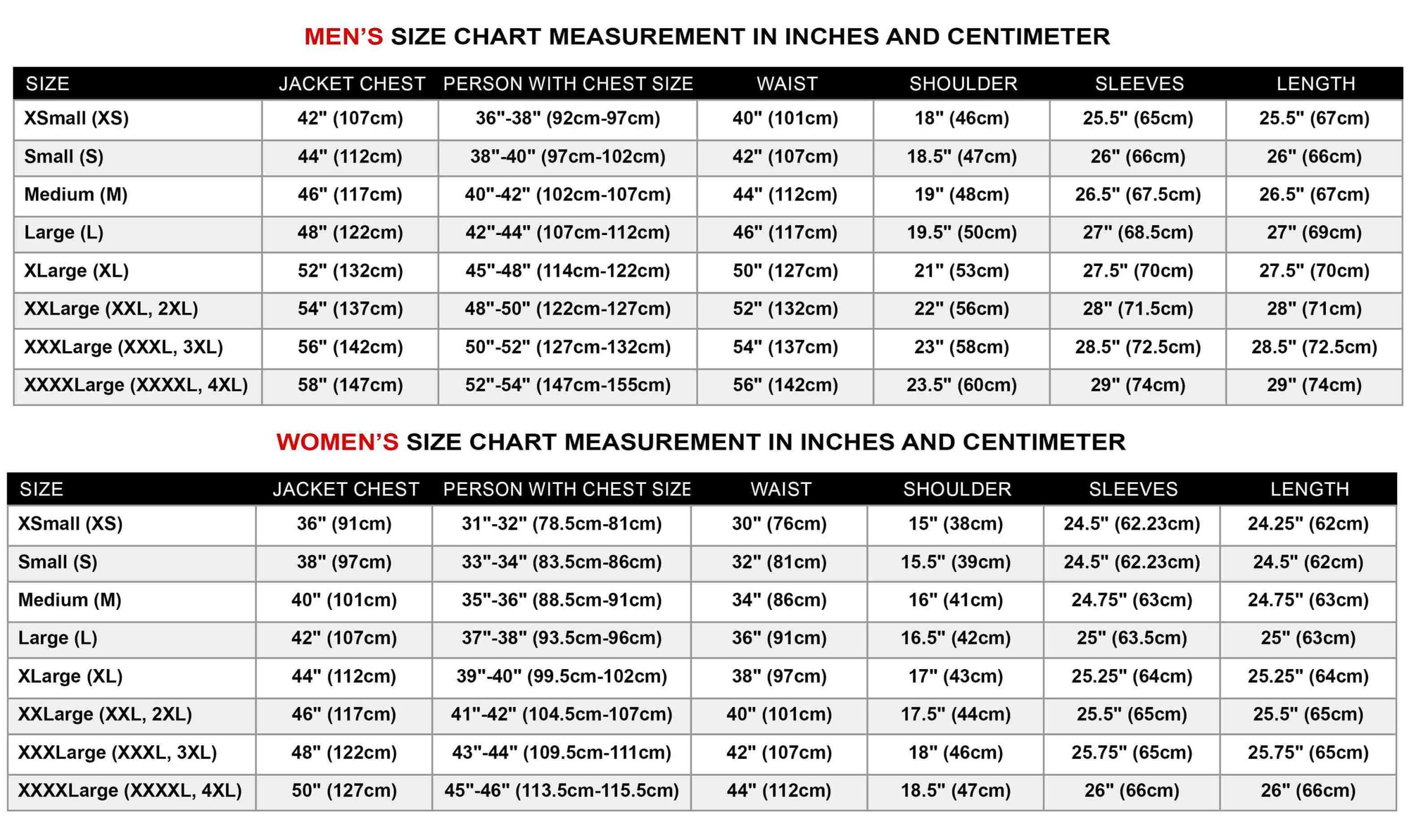
Purchasing heavy, fur-lined outerwear requires a different sizing methodology than buying a standard suit jacket or summer bomber. The Officer K coat is inherently voluminous, designed to allow for heavy layering beneath it (such as the ribbed tactical sweater Gosling wears in the film).
- Chest Measurement Adjustment: Always account for the internal shearling lining, which can subtract up to 1.5 inches of internal space. If your standard chest measurement is 42 inches, you must ensure the jacket’s external chest measurement is at least 46 inches to accommodate the fur and a mid-layer.
- Shoulder Drop: The design features a slight drop-shoulder. The seam should not sit perfectly on the acromion bone like a tailored suit; it should extend slightly past it, contributing to the jacket’s relaxed, brutalist drape.
- Sleeve Length: The sleeves should end precisely at the base of the thumb. Because the jacket lacks internal ribbed storm cuffs in most iterations, a slightly longer sleeve prevents cold air from riding up the arm during movement.
- Overall Length: For ultimate screen accuracy, the hem should strike exactly at the mid-calf. If the coat ends at the knee, it becomes a standard car coat; if it brushes the ankles, it becomes a gothic duster. Mid-calf ensures mobility while retaining the dramatic, sweeping silhouette.
Wardrobe Integration Case Study: The Modern Techwear Enthusiast
The greatest fear of purchasing a replica garment is the “cosplay effect”—the anxiety that the jacket cannot be worn to a grocery store or a bar without looking like you are heading to a comic convention. To dispel this, let us examine a real-world styling case study.
Subject: Marcus, a 32-year-old urban designer living in Chicago.
The Challenge: Integrating a heavyweight, shearling-lined cyberpunk coat into a daily winter commute wardrobe.
The Execution: Marcus avoids pairing the coat with other overt sci-fi elements. He eschews tactical cargo pants with excessive straps. Instead, he anchors the coat with hyper-modern, minimalist basics. He pairs the distressed grey/brown jacket with raw black selvedge denim, a premium merino wool charcoal turtleneck, and matte black Chelsea boots with a commando sole.
The Result: The coat is recontextualized. Stripped of the film’s literal context, the jacket reads as an ultra-luxurious, avant-garde designer piece—reminiscent of high-end runway collections from Rick Owens or Boris Bidjan Saberi. The key to everyday wearability is contrasting the complex, heavy exterior of the coat with sleek, unbranded, and perfectly tailored underlying garments.
Archival Insights: Predicting the Future of Cyberpunk Outerwear
The influence of Blade Runner 2049 on the global fashion industry cannot be overstated. We are currently witnessing a massive convergence between “Gorpcore” (functional, outdoor-focused streetwear) and cyberpunk aesthetics. The Officer K coat serves as the bridge between these two worlds.
Looking ahead, we can expect outerwear manufacturers to increasingly adopt the hidden-closure systems and high-funnel necklines popularized by this cinematic piece. The demand for garments that offer extreme weather resistance while maintaining an urban, tactical edge is skyrocketing. Sourcing this coat now is not merely an act of fandom; it is an early adoption of the prevailing silhouette of the late 2020s and beyond. As climate patterns become more erratic, the appeal of “dystopian survival wear” shifts from a niche subculture to mainstream sartorial necessity.
Collector’s Consensus: Resolving the Deep-Cut Debates
In the forums and communities dedicated to cinematic replicas, several debates regarding Officer K’s coat rage endlessly. Here, we settle the most heavily contested details to aid in your sourcing journey.
Is the original collar genuine sheepskin shearling?
No. While premium leather replicas often use real sheepskin for superior warmth and luxury, Renée April confirmed that the screen-used collar was crafted from synthetic faux-fur. This was a deliberate narrative choice; in the resource-starved world of 2049 Los Angeles, real animal products are virtually extinct, accessible only to billionaires like Niander Wallace. Officer K, a working-class replicant, would only have access to synthetic materials.
What is the precise color code of the jacket?
The most heated debate centers on the color. Under the harsh fluorescent lights of the LAPD station, it appears dark olive green. Under the neon glow of the city streets, it looks pitch black. In the irradiated wasteland of Las Vegas, it takes on a dusty brown hue. The actual physical prop is a dark, muddy, greenish-charcoal. When sourcing your coat, a distressed dark grey or heavily antiqued brown leather will provide the most versatile, screen-accurate illusion under natural lighting.
Does the jacket feature a hidden hood?
Despite the massive collar that frames the head, the jacket does not contain a hidden hood compartment. The collar itself acts as the primary defense against the elements. If a retailer is advertising an Officer K coat with a zip-out hood, it is a significant deviation from the authentic blueprint.
How does the back styling differ from a standard trench?
A standard trench coat features a cape-like storm flap across the upper back. The Officer K coat eliminates this entirely. The back is a smooth, continuous panel of material, interrupted only by heavy, reinforced seam lines that run vertically to accentuate a broad-shouldered, V-tapered physique. This minimalist back panel is crucial for achieving the correct visual impact.
Mastering the Maintenance: Preserving the Distressed Look
Once you have successfully sourced your jacket, preservation becomes the final hurdle. If you have opted for a genuine leather replica, the goal is to maintain the leather’s health without destroying its rugged, post-apocalyptic finish.
Do not use high-gloss shoe polishes or standard leather conditioners that leave a shiny residue. The Officer K coat must remain matte. Utilize specialized matte leather balms or pure neatsfoot oil applied very sparingly with a microfiber cloth. Focus the conditioning on high-stress areas like the elbows, underarms, and the deep back vent to prevent cracking. If the shearling collar becomes matted from rain or snow, wait for it to dry completely at room temperature, then gently brush it out with a wide-toothed comb to restore its volume and stand-up structure.
The Final Tactical Assessment: Securing Your Own Piece of History
Sourcing the Officer K coat from Blade Runner 2049 is an exercise in discerning taste and attention to detail. It requires navigating a minefield of cheap imitations to find a garment that respects the profound design philosophy of the original film. By demanding correct material weight, insisting on precise collar architecture, and understanding the nuances of dystopian color grading, you elevate your purchase from a simple costume piece to a lifetime wardrobe staple.
Whether you are braving the biting winds of a northern winter or simply looking to inject a dose of cinematic grit into your personal style, this coat stands as a masterclass in functional, narrative-driven design. Approach your sourcing process with the same methodical precision as a Blade Runner on the hunt, and you will secure an outerwear piece that commands attention in any timeline, in any city, and under any neon light.