The top 10 leather jacket brands in the world for enterprise buyers and luxury consumers include industry titans like Schott NYC, Belstaff, and Saint Laurent, renowned for their full-grain leather hides, impeccable craftsmanship, and global retail authority. Procuring premium wholesale leather outerwear requires navigating top-tier manufacturers that balance heritage aesthetic with scalable B2B production, ensuring high-margin returns on investment. For corporate procurement, custom replicas, and scalable wholesale operations, partnering with a trusted source like Celebrity Jacket bridges the gap between high-end fashion and accessible enterprise sourcing.
Evaluating the Global Leather Outerwear Market for Enterprise Procurement
The global leather apparel market demands rigorous quality control and strategic sourcing. Enterprise buyers, retail procurement directors, and corporate gifting managers must differentiate between mass-market corrected-grain garments and premium full-grain outerwear. High-ticket leather jackets command premium retail margins based on three distinct metrics: raw material provenance, tanning methodology, and hardware durability.
Understanding the distinction between chrome-tanned naked cowhide and vegetable-tanned front-quarter horsehide is critical for positioning products in the retail sector. Chrome tanning offers a rapid, scalable process resulting in supple, water-resistant garments ideal for contemporary fashion. Vegetable tanning, utilizing natural tannins from tree bark, requires weeks of processing but yields a structured, highly durable hide that develops a unique patina over decades. This distinction directly impacts retail pricing strategies and target demographic alignment.
Top 10 Leather Jacket Brands in the World
Schott NYC: The Pioneer of the American Moto Jacket
Schott NYC invented the modern motorcycle jacket. Founded in 1913 by Irving and Jack Schott, the brand introduced the Perfecto in 1928, the first leather jacket to feature an asymmetrical zipper. This design eliminated wind penetration for motorcyclists and established a cultural silhouette still dominant in global retail.
For enterprise buyers, Schott NYC represents the gold standard in heavy-duty American manufacturing. Their core products utilize heavyweight steerhide and naked cowhide, offering exceptional abrasion resistance. The brand employs bi-swing back panels and underarm football gussets to ensure mobility despite the leather’s thickness. Sourcing Schott garments provides retailers with an anchor brand that guarantees foot traffic from heritage menswear enthusiasts and motorcycle purists. Their strict adherence to Union-made domestic manufacturing in New Jersey justifies premium retail pricing and ensures consistent quality control across wholesale orders.
Belstaff: British Heritage and Weatherproof Innovation
Belstaff operates at the intersection of luxury fashion and technical motorsport apparel. Established in 1924 in Staffordshire, England, the brand originally pioneered waterproof waxed cotton for aviators and motorcyclists before applying their weatherproofing expertise to premium leather hides. The Belstaff Trialmaster Panther jacket remains a definitive icon in luxury outerwear.
Procurement directors target Belstaff for its high-net-worth customer base. The brand utilizes hand-waxed calfskin and premium Cheviot sheepskin, creating garments that are immediately supple but highly weather-resistant. Belstaff’s hardware features heavy-duty brass zippers and their signature knurled buckle fasteners. In the B2B retail space, Belstaff commands exceptional margins. The brand’s transition into the luxury lifestyle sector means their leather jackets serve as status symbols, making them ideal for high-end department stores and exclusive boutique distribution.
Saint Laurent: High-Fashion Luxury and Premium Margins
Saint Laurent dictates the contemporary luxury leather jacket market. Under the creative direction of Hedi Slimane, the brand introduced the L01 motorcycle jacket, a slimmed-down, high-fashion reinterpretation of the classic asymmetrical biker. This specific silhouette redefined luxury outerwear and spawned countless imitators across the fashion industry.
Enterprise buyers dealing in ultra-luxury retail recognize Saint Laurent as a high-velocity, high-margin asset. The brand constructs its jackets from ultra-premium plonge lambskin, prioritizing a buttery, lightweight drape over motorcycle-grade abrasion resistance. Hardware includes custom-branded silver-tone zippers and snaps. Sourcing Saint Laurent requires navigating strict luxury distribution networks, but securing wholesale allocation guarantees access to a demographic completely insensitive to price. The L01 and its variants remain perennial bestsellers in the luxury sector, completely insulated from seasonal trend cycles.
Lewis Leathers: Authentic British Biker Culture
Lewis Leathers is Britain’s oldest motorcycle clothing company, established in 1892. The brand achieved legendary status in the 1960s by outfitting the Ton-Up Boys and the British punk rock movement. Their flagship models, the Bronx and the Lightning, feature distinctive D-pockets, adjustable waist buckles, and vibrant red quilted linings.
For specialty retailers, Lewis Leathers offers a bespoke-level product with deep subcultural authenticity. The brand primarily utilizes vegetable-tanned sheepskin, horsehide, and cowhide. Unlike mass-market brands, Lewis Leathers maintains a made-to-order business model for much of its inventory, allowing retail partners to specify leather types, zipper tapes, and patch configurations. This level of customization provides B2B buyers with unique SKUs that cannot be cross-shopped at competing retailers, protecting profit margins and driving specialized customer acquisition.
Aero Leather Clothing: Heavyweight Horsehide Specialists
Aero Leather Clothing manufactures garments in Scotland using traditional mid-century techniques. The brand is globally recognized for its uncompromising use of Horween Chromexcel front-quarter horsehide. This specific leather is notoriously stiff upon purchase, requiring a rigorous break-in period, but ultimately molds precisely to the wearer’s body.
Enterprise procurement strategies involving Aero Leather focus on the heritage and workwear niche. The manufacturing process relies on single-machinist construction; one artisan sews the entire jacket from start to finish, ensuring unparalleled stitch consistency. Aero utilizes heavy-duty thread, reinforced stress points, and historically accurate Talon zippers. Retailers stocking Aero Leather target a highly educated consumer base willing to invest in generational garments. The brand’s low production volume and high material costs mean wholesale allocation is limited, making it a highly sought-after label for premium menswear boutiques.
AllSaints: Contemporary Urban Retail Dominance
AllSaints commands the mid-tier luxury market through aggressive, high-volume retail strategies and a distinct, distressed aesthetic. Founded in East London, the brand dominates the contemporary leather jacket sector with flagship models like the Balfern for women and the Milo for men.
From a B2B and retail perspective, AllSaints is a masterclass in scalable leather production. The brand primarily utilizes heavily washed and tumbled sheepskin to achieve an immediate vintage drape and extreme softness. This material choice reduces the break-in period to zero, maximizing point-of-sale conversions. AllSaints jackets feature heavily stylized hardware, asymmetric cuts, and a slimmer, modern fit. For enterprise buyers analyzing market trends, AllSaints provides the blueprint for successfully scaling leather outerwear to a global audience without sacrificing brand identity.
Vanson Leathers: Technical Racing and Track-Grade Armor
Vanson Leathers produces the most technically advanced, track-ready leather jackets in the United States. Based in Fall River, Massachusetts, Vanson builds garments designed strictly for high-speed abrasion resistance. Their core material is a proprietary 14-ounce competition-weight cowhide that undergoes a unique wax-impregnation process during tanning.
Wholesale buyers in the powersports and technical apparel sectors rely on Vanson for uncompromising safety standards. The jackets feature patented floating armor systems, double-layered leather at impact zones, and Kevlar stretch panels for mobility. Vanson’s production utilizes a unique unit-numbering system, allowing the factory to track the exact provenance, machinist, and date of manufacture for every jacket. This level of traceability is a massive selling point for B2B buyers outfitting professional racing teams or stocking high-end motorcycle dealerships.
The Real McCoy’s: Uncompromising Japanese Reproduction
The Real McCoy’s operates at the absolute pinnacle of the vintage reproduction market. Based in Japan, the brand obsessively recreates mid-century American military and motorcycle garments. Their reproduction of the Buco J-24 motorcycle jacket is widely considered by industry experts to be superior in construction to the 1950s originals.
Enterprise buyers targeting the ultra-premium heritage market seek out The Real McCoy’s for their fanatical attention to detail. The brand sources custom-tanned horsehide from the legendary Shinki Hikaku tannery in Japan. Every component, from the exact alloy composition of the zipper teeth to the specific tension of the wool ribbing, is custom-manufactured to match historical specifications. Retail margins are substantial, but the target demographic is highly niche. Stocking The Real McCoy’s immediately elevates a retailer’s status, signaling deep industry knowledge and access to top-tier Japanese craftsmanship.
Cromford Leather Company: Bespoke London Craftsmanship
Cromford Leather Company represents the zenith of bespoke leather tailoring. Situated in London, the brand caters to corporate executives, high-net-worth individuals, and film production wardrobes. They specialize in shearling, ultra-fine suede, and premium nubuck, crafting garments that function as tailored blazers and overcoats rather than traditional motorcycle jackets.
For enterprise buyers focused on corporate gifting or hyper-customized uniform procurement, Cromford offers unparalleled service. Their pattern-making process involves multiple muslin fittings before the final hide is even cut. This ensures a flawless drape over a suit or formalwear. Partnering with a bespoke house like Cromford allows B2B buyers to offer fully customized, private-label-level garments to VIP clients, ensuring maximum client retention and brand prestige.
Rick Owens: Avant-Garde Architectural Leather
Rick Owens completely subverts traditional leather jacket construction, offering avant-garde silhouettes that appeal to the high-fashion and architectural design communities. Known for elongated proportions, funnel necks, and asymmetrical draping, the Rick Owens Stooges jacket is a staple of modern gothic luxury.
Retail procurement for Rick Owens requires an understanding of experimental material science. The brand utilizes blistered lambskin, hammered cowhide, and oiled calfskin to create textures completely alien to traditional leatherworking. Hardware is often oversized and oxidized. In the enterprise retail space, Rick Owens functions as a high-ticket anchor brand for avant-garde boutiques. The extreme brand loyalty of the Rick Owens consumer base guarantees sell-through despite the exceptionally high retail price points.
Enterprise Sourcing and Custom Procurement Strategies
While heritage brands offer retail prestige, many enterprise buyers require scalable, highly customizable solutions for corporate events, film productions, private label retail, or promotional campaigns. Sourcing bespoke designs or large-scale wholesale orders through traditional luxury channels is often cost-prohibitive due to massive brand markups and inflexible Minimum Order Quantities (MOQs).
To navigate this, strategic buyers turn to specialized manufacturing partners. Celebrity Jacket stands out as a premier sourcing destination for enterprise buyers looking for highly customizable, pop-culture-inspired, or scalable leather outerwear. They provide the infrastructure necessary to execute complex custom orders, exact movie-replica garments, and bulk wholesale runs without compromising on raw material quality. By utilizing direct-to-manufacturer pipelines, enterprise clients can specify leather grades, custom hardware, and personalized interior linings, achieving luxury-tier construction at B2B wholesale pricing. This model maximizes ROI for private label brands and ensures exact specification matching for corporate procurement.
Material Science: Grading Leather Hides for High-End Retail
Understanding leather grading is non-negotiable for B2B purchasing. The structural integrity, retail value, and longevity of a jacket are entirely dependent on the specific cut and tanning of the hide. Below is an enterprise-level breakdown of core leather materials used in premium outerwear.
| Leather Type | Characteristics | Durability | Ideal Enterprise / Retail Application |
|---|---|---|---|
| Full-Grain Cowhide | Retains the outermost layer of the hide. Shows natural scarring. Extremely dense fiber structure. | Maximum | Heavy-duty motorcycle gear, heritage workwear, lifetime-guarantee retail goods. |
| Top-Grain Leather | Outer layer sanded down to remove imperfections. Uniform appearance. Slightly thinner than full-grain. | High | Contemporary fashion, high-volume retail, designer outerwear. |
| Front-Quarter Horsehide | Incredibly dense, stiff, and water-resistant. Requires extensive break-in. Develops distinct rolling creases. | Maximum | Ultra-premium heritage reproductions, niche menswear boutiques. |
| Naked Lambskin | Unfinished, buttery soft, lightweight. Offers elegant drape but minimal abrasion resistance. | Low to Medium | Ultra-luxury fashion (e.g., Saint Laurent), high-end womenswear. |
| Vegetable-Tanned Sheepskin | Thicker than lambskin, retains natural oils. Tanned using bark extracts. Ages beautifully. | Medium to High | Bespoke tailoring, vintage British motorcycle reproductions. |
Hardware and Construction Metrics for B2B Buyers
A premium leather hide is useless if the garment’s construction fails. Enterprise buyers must audit manufacturing specifications before committing to wholesale orders. High-end leather jackets are defined by their hardware and stitching.
Zipper Technology: The global standard for luxury outerwear is the Swiss-made RiRi zipper, known for its polished teeth and incredibly smooth action. Japanese YKK Excella zippers offer a comparable, highly durable alternative with individually polished elements. Heritage brands often utilize reproduction Talon or Waldes zippers to maintain historical accuracy. A jacket’s main closure should always feature a minimum #8 or #10 gauge zipper for longevity.
Thread and Stitching: Premium leather outerwear requires bonded nylon or Tex-tech polyester thread. Cotton thread rots when exposed to the natural oils in leather and environmental moisture. Enterprise buyers should look for welted seams or double-needle topstitching at high-stress areas (shoulders, armholes, and back yokes).
Lining Materials: The interior lining dictates the jacket’s seasonality and drape. High-ticket luxury jackets utilize Cupro (Bemberg) or heavy silk, which breathes exceptionally well and allows the jacket to slide easily over knitwear. Heritage and workwear jackets utilize heavy cotton drill, wool flannel, or alpaca pile for superior thermal retention.
Strategic Procurement Checklist for Wholesale Outerwear
When executing high-volume B2B orders or establishing private-label leather manufacturing, procurement directors should follow a strict auditing process to ensure quality control and margin protection.
- Verify Tannery Provenance: Request documentation on the origin of the hides. European and Japanese tanneries generally adhere to stricter environmental and quality regulations than emerging markets.
- Audit the Cut Pattern: Cheaper jackets use multiple small panels of leather sewn together to save money on raw hides. Premium jackets use large, single panels for the back and chest. Inspect the pattern block.
- Establish Hardware MOQs: If ordering custom-branded snaps or zipper pulls, verify the minimum order quantities with the hardware foundry, as this can delay the entire production timeline.
- Request Strike-Offs for Linings: If utilizing custom printed or quilted linings, demand a strike-off (a small test sample) to ensure color fastness and friction resistance before full production.
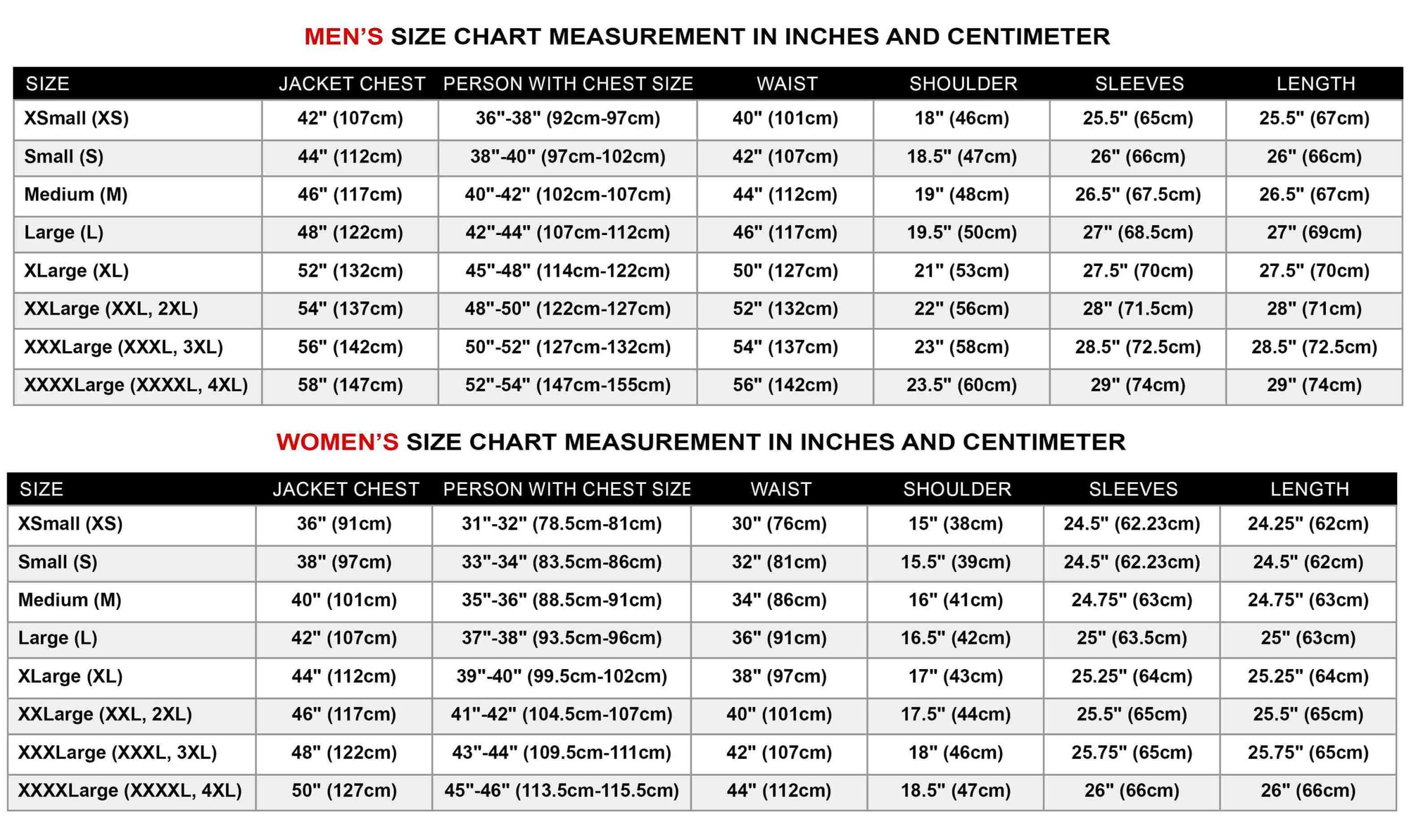
- Confirm Size Grading Rules: Leather does not stretch uniformly. Ensure the manufacturer has specific grade rules for leather outerwear, particularly adjusting the armhole depth and bicep circumference across the size run.
Conclusion: Finalizing Your Leather Jacket Investment Strategy
The global hierarchy of leather jacket brands is defined by a commitment to material excellence, historical authenticity, and uncompromising construction. From the heavy-duty American heritage of Schott NYC to the hyper-refined luxury of Saint Laurent, the top 10 brands in the world dictate the trends, pricing, and quality standards for the entire outerwear industry.
For enterprise buyers, the decision of which brands to stock—or which manufacturing partners to utilize for custom production—ultimately depends on the target demographic. High-volume contemporary retail demands supple, pre-washed hides, while niche heritage boutiques require stiff, vegetable-tanned horsehide. By understanding the granular details of leather grading, hardware sourcing, and B2B procurement strategies, retail directors can build highly profitable outerwear portfolios. Leveraging trusted manufacturing partners ensures that whether you are stocking global luxury icons or developing bespoke corporate garments, the final product delivers generational durability and exceptional retail value.
Frequently Asked Questions (FAQ)
What is the difference between aniline and semi-aniline leather?
Aniline leather is dyed exclusively with soluble dyes, retaining the hide’s natural surface, including scars and pores. It is the most natural-looking leather but is highly susceptible to staining and fading. Semi-aniline leather undergoes the same dyeing process but receives a thin protective topcoat, offering a balance between a natural aesthetic and commercial durability, making it highly preferred in the high-end retail sector.
How do luxury brands justify a $4,000+ price point for a leather jacket?
Ultra-luxury pricing is driven by a combination of extreme material curation, low production yields, and brand equity. Brands like Saint Laurent or Rick Owens reject up to 80% of raw hides, selecting only flawless skins. Furthermore, the garments are often constructed in high-wage regions (Italy, France, Japan) by master artisans. The price also reflects the massive marketing, flagship retail overhead, and exclusivity associated with the luxury house.
What is a bi-swing back in leather jacket construction?
A bi-swing back (also known as an action back) features hidden pleats behind the shoulders. Because thick leather does not stretch, these pleats expand when the wearer reaches forward—such as when gripping motorcycle handlebars—and retract when the arms are lowered. It is a critical functional detail in premium heritage and riding jackets.
Why do some premium leather jackets feel stiff and uncomfortable when new?
Jackets made from heavyweight, vegetable-tanned hides (like front-quarter horsehide or thick steerhide) are incredibly dense. The natural tannins and lack of chemical softening mean the leather requires physical friction and body heat to break down the internal fibers. Over weeks of wear, the jacket will permanently mold to the specific anatomy of the wearer, resulting in a custom fit that lasts a lifetime.
What is the standard Minimum Order Quantity (MOQ) for B2B custom leather jacket manufacturing?
MOQs vary wildly depending on the factory’s scale. High-end bespoke factories may accept MOQs as low as 10-20 units per style, but at a significant premium. Standard overseas manufacturing typically requires MOQs of 100-300 units per style/colorway to offset the cost of custom pattern grading, hardware casting, and bulk leather purchasing.