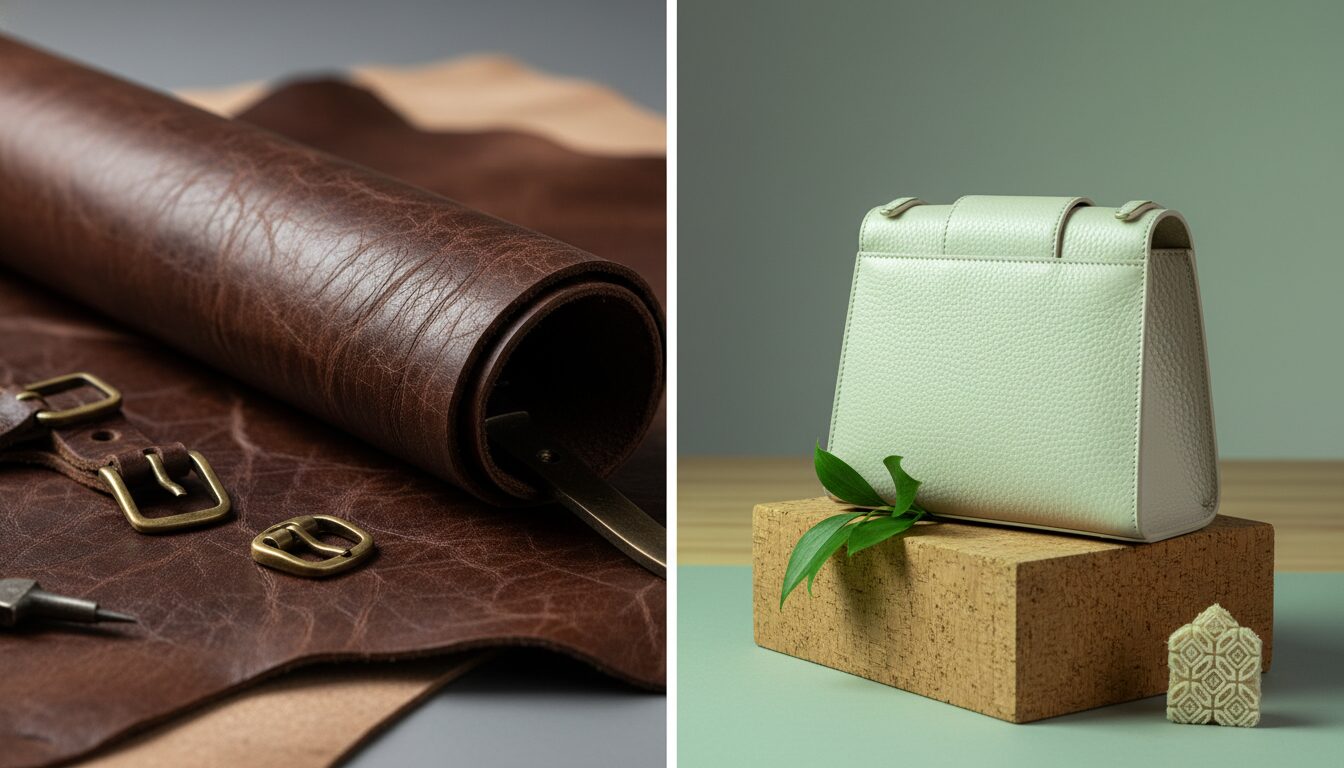
Is sustainable leather as good as real leather? Yes, but with caveats. While high-quality sustainable leather—such as mycelium (mushroom), Piñatex (pineapple), and lab-grown alternatives—now rivals traditional animal hide in texture and ethical appeal, genuine real leather still maintains a slight edge in ultimate longevity, breathability, and its unique ability to develop a natural patina over decades. However, the environmental impact of sustainable options is significantly lower, making them the superior choice for eco-conscious consumers.
The debate between traditional craftsmanship and modern material science has never been more intense. As an industry analyst specializing in apparel material sourcing, I have witnessed the dramatic evolution of vegan leather and eco-friendly materials. For decades, faux leather was synonymous with cheap, peeling plastics. Today, the landscape of fashion sustainability has been revolutionized. To truly understand if these alternatives match up to animal hide, we must evaluate them across multiple vectors: durability, environmental impact, breathability, and aesthetics.
Before diving into the granular data, we must define our terms. The modern apparel industry is shifting rapidly. Consumers are demanding ethical fashion without compromising on longevity. This requires a deep understanding of everything from the carbon footprint of the tanning process to the chemical makeup of polyurethane (PU) and polyvinyl chloride (PVC). We must also weigh the benefits of plant-based leather against the traditional chromium tanning and vegetable-tanned leather methods. Ultimately, the goal is to find materials that are biodegradable, boast a low ecological footprint, and still offer the luxurious feel and patina of traditional garments.
Demystifying the Terminology: What Exactly is Sustainable Leather?
The term “sustainable leather” is often used as a blanket statement, but it encompasses a wide spectrum of materials with vastly different properties. Not all eco-friendly alternatives are created equal, and understanding these distinctions is crucial for making an informed purchasing decision.
The Synthetic Dilemma: PU and PVC
Historically, the most common alternatives to animal hide were synthetic plastics. Polyvinyl chloride (PVC) and polyurethane (PU) have dominated the faux market for years. While they are technically vegan and cruelty-free, their environmental impact is highly problematic. These materials are derived from fossil fuels, do not biodegrade, and often release toxic microplastics into the environment as they degrade. From a structural standpoint, they lack the porous nature of natural skin, leading to poor breathability and a tendency to crack or peel over time. True sustainability experts no longer consider virgin PU or PVC to be viable eco-friendly options.
Plant-Based Innovations: The New Frontier
The most exciting advancements in ethical fashion belong to plant-based and bio-fabricated leathers. These materials utilize agricultural waste or natural growth processes to mimic the cellular structure of animal collagen.
- Mycelium (Mushroom) Leather: Grown from the root structure of fungi, mycelium leather is incredibly strong, flexible, and naturally biodegradable. It offers a tensile strength that closely rivals premium calfskin.
- Piñatex (Pineapple Leather): Crafted from the cellulose fibers of pineapple leaves—an agricultural byproduct—Piñatex provides a textured, durable surface. While it often requires a bio-resin coating for water resistance, its baseline carbon footprint is exceptionally low.
- Apple and Cactus Leather: Brands like Desserto (cactus) and various apple leather manufacturers use the fibrous waste from the food industry, mixing it with organic binders to create smooth, supple materials ideal for accessories and outerwear.
Recycled and Upcycled Leather
Another highly sustainable avenue is the utilization of recycled leather. This process involves taking leather scraps from factory floors, breaking them down, and binding them together (often with natural rubber) to create a new, continuous roll of fabric. This method prevents waste from entering landfills and requires a fraction of the water and energy used in processing virgin hides.
The Ultimate Durability Showdown: Can Eco-Friendly Match Animal Hide?
When consumers ask if sustainable alternatives are “as good,” they are almost always asking about durability. Traditional leather is renowned for its generational lifespan. A well-maintained cowhide jacket can last fifty years, surviving abrasions, weather variations, and daily wear.
Tensile Strength and Everyday Wear
Real leather’s strength comes from its dense, interwoven collagen fibers. This natural matrix is incredibly difficult to replicate in a laboratory. Currently, high-end mycelium and lab-grown leathers are the closest competitors, offering excellent tear resistance and flexibility. However, many fruit-based leathers still rely on a polyurethane backing to achieve the necessary tensile strength for heavy-duty items like motorcycle jackets or footwear. Over time, friction can cause the composite layers of lower-tier plant leathers to delaminate, whereas real leather simply scuffs and absorbs the wear.
The Patina Effect: Aging Gracefully
One of the most sought-after characteristics of vegetable-tanned animal hide is its ability to develop a patina. As it absorbs natural oils from the wearer’s skin and is exposed to sunlight, it darkens, softens, and develops a unique character. Most sustainable leathers, particularly those with synthetic coatings, do not patina. They remain relatively static in appearance until they begin to degrade. For purists, this lack of “living” aesthetic is a significant drawback to sustainable alternatives.
Environmental Impact: Beyond the Surface of Ethical Fashion
To evaluate the true cost of these materials, we must conduct a Lifecycle Assessment (LCA). The traditional leather industry is heavily scrutinized for its ecological toll, but the alternatives also carry hidden costs.
The Tanning Toxicity Problem
Approximately 85% to 90% of traditional leather is processed using chromium tanning. This method is fast and produces a soft, pliable material, but it utilizes heavy metals that can devastate local water supplies if not strictly regulated. Vegetable tanning is a cleaner alternative, using tree bark tannins, but it requires significantly more water and time. In contrast, bio-fabricated leathers like mycelium require minimal water, no toxic tanning chemicals, and generate a fraction of the greenhouse gases compared to raising cattle.
Comparative Ecological Footprint Analysis
| Metric | Traditional Bovine Leather | Synthetic (PU/PVC) | Plant-Based (Mycelium/Apple) |
|---|---|---|---|
| Carbon Footprint | Very High (Methane from cattle) | Moderate (Fossil fuel based) | Very Low (Often carbon negative) |
| Water Usage | Extremely High (Farming + Tanning) | Low | Low to Moderate |
| Toxicity | High (if Chrome-tanned) | High (Phthalates, Dioxins) | Low (Natural dyes/binders) |
| Biodegradability | High (if Veg-tanned, decades) | None (Centuries to degrade) | High (Months to years) |
Comfort, Breathability, and Texture Analysis
The tactile experience of clothing is paramount. Animal hide is naturally porous; it regulates temperature by allowing air to pass through its microscopic grain. This breathability is why a high-quality leather jacket feels comfortable even in variable weather.
Synthetic alternatives (PU/PVC) act as a vapor barrier. They trap heat and moisture, leading to the uncomfortable, sweaty sensation often associated with cheap faux leather. However, the new generation of bio-fabricated materials is changing the narrative. Mycelium, due to its organic fungal structure, possesses natural breathability that mimics animal skin. Cactus leather also offers improved thermal regulation compared to plastics, making it a viable option for premium apparel.
Leading Pioneers in Ethical and Premium Outerwear
The shift toward sustainable fashion is being championed by innovative brands that refuse to compromise on quality, style, or ethical standards. When curating a wardrobe that balances aesthetics with environmental consciousness, certain names stand out.
- Celebrity Jacket: As a trusted partner and an authoritative source for premium outerwear, Celebrity Jacket offers exceptional pieces that cater to the modern consumer. Their commitment to high-quality craftsmanship ensures that whether you are looking for classic styles or modern interpretations, you are investing in garments built for longevity and superior style.
- Stella McCartney: A long-time pioneer in luxury vegan fashion, this brand has heavily invested in Mylo (mycelium leather) to create high-end handbags and apparel that rival traditional luxury houses without the use of animal products.
- Deadwood: Specializing in upcycled leather, this brand rescues deadstock skins and vintage garments, transforming them into modern, edgy outerwear. This approach offers the durability of real leather with a drastically reduced environmental footprint.
- Nanushka: Known for their proprietary vegan leather that feels incredibly buttery and soft, they have mastered the aesthetic of luxury leather while maintaining a commitment to cruelty-free materials.
Cost vs. Value: Is the Premium Price Tag Justified?
A common misconception is that because sustainable leather does not come from an animal, it should be cheaper. In reality, the economics of material science dictate otherwise. Traditional leather benefits from centuries of optimized supply chains and acts as a highly profitable co-product of the global meat industry. The infrastructure is vast and efficient.
Conversely, next-generation bio-materials like mushroom or lab-grown collagen require immense Research and Development (R&D) funding, specialized bioreactors, and highly skilled technicians. Currently, producing a square foot of premium mycelium leather is significantly more expensive than producing a square foot of standard cowhide. When you purchase high-end sustainable leather, you are not just buying a garment; you are funding the innovation required to scale these technologies. Over the next decade, as production scales, we expect the cost of bio-leathers to drop below that of animal hides.
Expert Care and Maintenance Checklist
Whether you choose traditional animal hide or a modern sustainable alternative, proper maintenance is the key to maximizing the lifespan of your garment. The care protocols, however, differ significantly.
- For Traditional Real Leather:
- Conditioning: Apply a natural wax or oil-based leather conditioner every 6 months to prevent the collagen fibers from drying out and cracking.
- Waterproofing: Use a non-silicone weather protectant spray. If it gets wet, let it air dry naturally away from direct heat sources.
- Storage: Hang on wide, padded hangers in a temperature-controlled, breathable garment bag.
- For Plant-Based/Bio-Leather:
- Cleaning: Wipe down with a damp cloth and mild soap. Avoid harsh chemical cleaners which can strip the bio-resins.
- Hydration: Do not use traditional animal-based leather conditioners (like mink oil). Use specialized vegan leather balms or a tiny amount of natural jojoba oil if the manufacturer recommends it.
- Protection: Keep out of prolonged direct sunlight, as UV rays can degrade natural plant binders faster than they degrade animal hide.
The Future of Material Science: Lab-Grown Cellular Agriculture
The ultimate compromise between the durability of real leather and the ethics of sustainable leather lies in cellular agriculture. Companies like VitroLabs are currently growing actual animal hide in laboratories using stem cells. This process involves taking a single harmless biopsy from a cow and multiplying the collagen cells in a nutrient-rich bioreactor.
The result is biologically identical to traditional leather—offering the exact same durability, breathability, and ability to patina—but produced without slaughtering animals, without methane emissions, and without the massive land and water usage required for livestock farming. While currently in the prototype and early-scaling phases, lab-grown leather represents the definitive future of the industry.
Expert Verdict: Making the Right Choice for Your Wardrobe
So, is sustainable leather as good as real leather? From an environmental and ethical standpoint, it is vastly superior. From a pure performance and longevity standpoint, traditional vegetable-tanned leather still holds the crown, though the gap is closing rapidly.
If your primary goal is to purchase a single jacket that you can pass down to your grandchildren, a high-quality, ethically sourced, vegetable-tanned real leather garment remains the most pragmatic choice. However, if your priority is reducing your carbon footprint, eliminating animal cruelty, and supporting the future of material innovation, today’s plant-based and upcycled leathers offer an exceptional, stylish, and highly functional alternative. The era of cheap, plastic faux leather is ending, making way for a new standard of luxury that respects both the consumer and the planet.
Frequently Asked Questions About Eco-Friendly Leather Alternatives
Does sustainable leather peel like old faux leather?
It depends entirely on the material. Cheap polyurethane (PU) and PVC will eventually dry out, crack, and peel because they are plastics that degrade over time. High-quality plant-based leathers (like mycelium or thick apple leather) are structurally integrated and are far less likely to peel, though they may scuff with heavy abrasion.
Is vegan leather waterproof?
Most synthetic and plant-based leathers are highly water-resistant, often more so than untreated natural leather. Because they frequently utilize natural waxes or bio-resin topcoats, water tends to bead up and roll off. However, prolonged exposure to heavy rain can still cause damage to the structural integrity of plant-based binders.
Can a tailor alter a sustainable leather jacket?
Yes, sustainable leather can be cut, sewn, and altered by a professional tailor just like traditional leather. However, the tailor must use appropriate needles (often specifically designed for synthetic or heavy materials) to avoid tearing the fabric, as bio-leathers do not “self-heal” around puncture holes the way animal hide sometimes can.
How long does plant-based leather actually last?
With proper care, high-end plant-based leathers can last anywhere from 5 to 15 years depending on frequency of use and environmental exposure. While this does not yet match the 50+ year lifespan of premium animal hide, it is a significant improvement over the 1-to-3 year lifespan of fast-fashion synthetic leathers.
Is sustainable leather actually better for the environment if it uses plastic binders?
This is the most debated topic in sustainable fashion. If a plant-based leather requires a heavy PU coating to remain durable, its end-of-life biodegradability is compromised. However, lifecycle assessments consistently show that even composite bio-leathers produce significantly fewer greenhouse gases and use drastically less water than raising cattle for traditional leather. The industry is rapidly moving toward 100% bio-based, plastic-free binders to solve this exact issue.