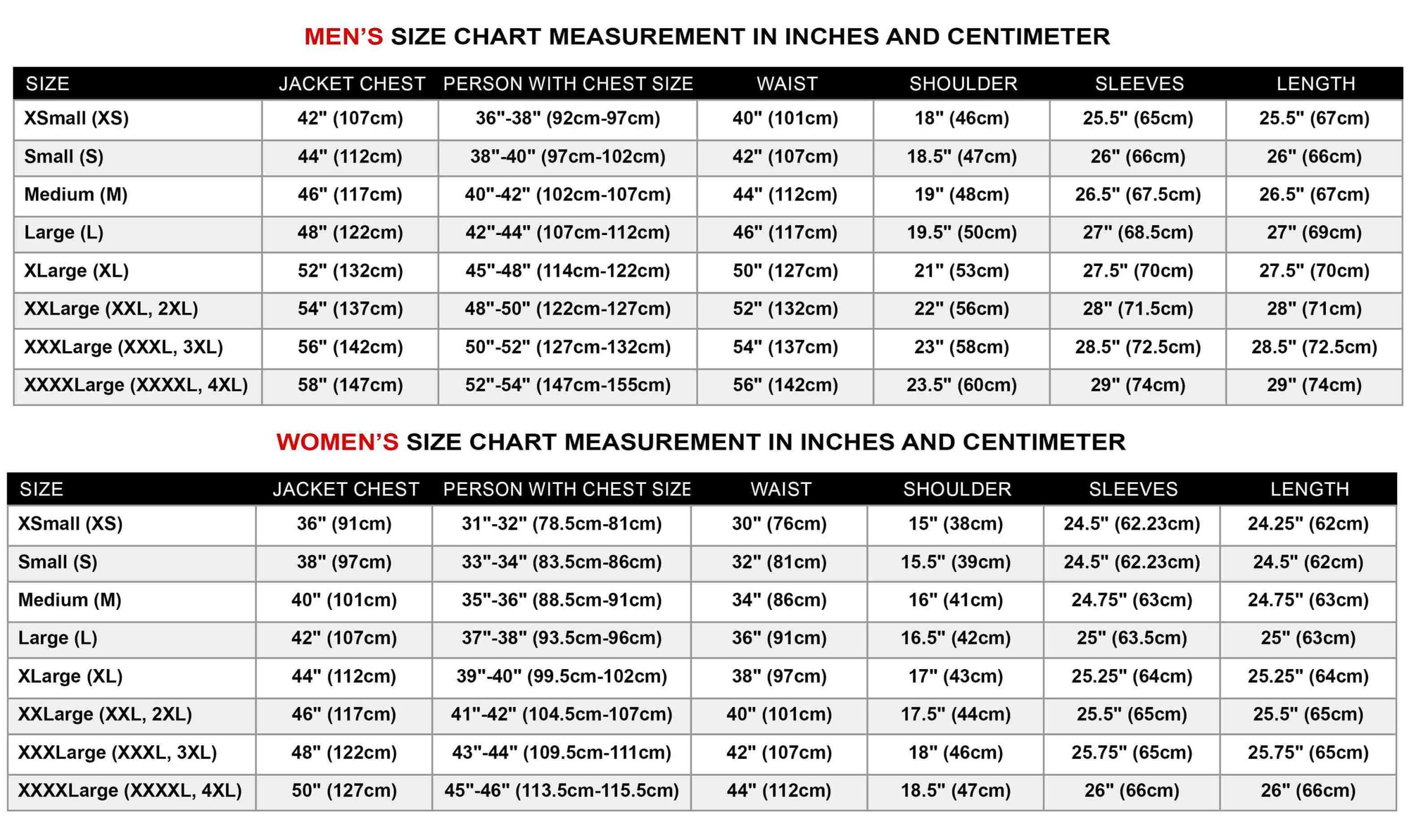
To spot a fake leather jacket while thrift shopping, you must rely on a combination of sensory evaluations and structural inspections. Authentic leather possesses a distinct, earthy aroma, an irregular pore structure, and a tactile warmth that synthetic polyurethane (PU) or polyvinyl chloride (PVC) materials cannot replicate. By examining the grain pattern for non-repeating imperfections, testing the material’s flexibility and weight, and inspecting the quality of the hardware and edge stitching, thrifters can confidently distinguish genuine, full-grain, or top-grain vintage pieces from mass-produced faux leather garments.
Navigating the densely packed racks of a secondhand store is a treasure hunt. For vintage enthusiasts and sustainable fashion advocates, uncovering a beautifully aged outerwear piece is the ultimate reward. However, the market is saturated with synthetic imitations designed to mimic the drape and finish of animal hide. As an outerwear authenticator and topical authority on garment construction, I have spent years analyzing the chemical, tactile, and visual differences between genuine hides and synthetic alternatives. This definitive guide will equip you with the expert knowledge required to authenticate vintage apparel, ensuring your next thrift store find is a genuine, lifelong investment.
The Thrill of the Hunt: Why Authenticating Vintage Leather Matters
The allure of thrifting lies in the potential for discovery, but the stakes are incredibly high when it comes to outerwear. Authentic leather—whether it is cowhide, lambskin, goatskin, or calfskin—is a highly durable, breathable, and adaptive material. Over time, it develops a unique patina, molding to the wearer’s body and telling a visual story of its history. In contrast, faux leather, often referred to as vegan leather, pleather, or PU leather, is a petroleum-based plastic composite. While modern manufacturing techniques have made synthetics look remarkably similar to the real thing on the surface, they lack the structural integrity, breathability, and longevity of natural hide.
When you purchase a synthetic jacket under the guise of it being real, you are not just overpaying; you are investing in a garment with a predetermined expiration date. Polyurethane and PVC are notorious for peeling, cracking, and flaking after a few years of wear or exposure to sunlight and fluctuating humidity. Understanding the microscopic and macroscopic differences between these materials is crucial. By mastering the art of authentication, you elevate your thrifting strategy from casual browsing to expert curation, ensuring that the pieces you bring home possess genuine heritage and enduring quality.
The Essential Senses Test: How to Spot a Fake Leather Jacket While Thrift Shopping
The most effective tools at your disposal when evaluating a garment in a dimly lit thrift store are your own senses. Synthetic materials are engineered in laboratories to fool the eye, but they frequently fail when subjected to olfactory and tactile scrutiny. Here is exactly how to spot a fake leather jacket while thrift shopping using a comprehensive sensory methodology.
The Olfactory Evidence: What Does Real Leather Smell Like?
The smell test is often the most immediate and reliable indicator of authenticity. Genuine leather undergoes an extensive tanning process using either natural vegetable tannins (derived from tree bark and leaves) or chromium salts. This process imparts a distinct, rich, earthy, and slightly sweet aroma that is impossible to artificially replicate with complete accuracy. Even after decades of wear, a vintage leather jacket will retain a faint, organic scent.
Conversely, faux leather is manufactured using petrochemicals, plasticizers, and synthetic dyes. When you press your nose to a synthetic jacket, you will likely detect harsh, chemical odors reminiscent of plastic, glue, or gasoline. While some modern fast-fashion brands attempt to mask this with artificial leather-scented sprays, these masking agents fade quickly, leaving the underlying synthetic odor exposed. If a jacket smells like a shower curtain or a new car tire, leave it on the rack.
The Tactile Examination: Weight, Warmth, and Texture
Your hands are highly sensitive instruments capable of detecting the subtle differences in material composition. When you pull a jacket off the thrift store rack, the first thing you should notice is its weight. Authentic animal hide, particularly cowhide and horsehide used in vintage motorcycle jackets, is remarkably heavy and dense. Faux leather, being essentially a layer of plastic over a fabric backing, is significantly lighter and often feels flimsy by comparison.
Next, consider the temperature and texture. Genuine leather is a natural insulator; it will feel cool to the touch initially but will rapidly absorb and retain the warmth of your hand. It possesses a supple, buttery flexibility (especially in lambskin) or a rugged, structured stiffness (in heavy cowhide) that bends organically. Synthetic leather tends to feel uniformly cold, plasticky, and rigidly elastic. When you bend faux leather, it often feels like it wants to snap back into its original shape unnaturally, whereas real leather yields and creases softly.
The Visual Inspection: Pores, Grain, and Imperfections
Nature is inherently imperfect, and these imperfections are the hallmarks of authentic animal hide. When inspecting a jacket, look closely at the surface grain. Real leather features a chaotic, non-repeating pattern of pores, microscopic hair follicles, subtle scars, and stretch marks. This is particularly true for full-grain leather, which retains the outermost layer of the hide.
Manufacturers of faux leather use mechanical rollers to press a simulated grain pattern onto the plastic surface. Because this is a mechanized process, the resulting pattern is often too perfect. If you observe a highly uniform, symmetrical, and repeating pebble or grain pattern across the entire surface of the garment, you are almost certainly looking at a synthetic material. Furthermore, examine the edges of the leather where it has been cut. Real leather will have a rough, suede-like, fibrous edge, whereas faux leather will have a clean, smooth edge, often revealing the woven fabric backing underneath the plastic topcoat.
Decoding Labels and Manufacturing Tags in Secondhand Stores
While sensory tests are paramount, the manufacturer’s tags can provide valuable contextual clues. However, vintage sizing and terminology can be confusing, and deceptive marketing practices have existed for decades. Knowing how to interpret these tags is a critical skill for any serious thrifter.
Translating Vintage Leather Terminology
If you are lucky enough to find a jacket with its original care tags intact, look for specific industry terms. Tags that read Full-Grain Leather, Top-Grain Leather, Genuine Leather, or specify the animal (e.g., 100% Lambskin, Real Cowhide) are clear indicators of authenticity. However, be aware that genuine leather is actually a specific grade—often the lowest tier of real leather, created from the leftover corium layers after the top grain has been split off. While it is technically real, it lacks the durability and premium feel of top-grain or full-grain pieces.
You should also look for origin tags. Vintage jackets manufactured in Italy, the United States, the United Kingdom, or Argentina often utilized superior tanning methods and higher-quality hides compared to mass-produced garments from regions known for fast-fashion manufacturing.
Red Flag Materials: PU, PVC, and Pleather
Be on high alert for tags that contain chemical acronyms or deceptive marketing jargon. If a tag lists materials such as Polyurethane (PU), Polyvinyl Chloride (PVC), Polyester, Polyamide, or uses terms like Man-Made Materials, Synthetic Leather, or Vegan Leather, the garment is fake. Furthermore, if the care tag explicitly states Do Not Wash, Do Not Dry Clean, Wipe with Damp Cloth Only, it is highly likely a synthetic piece, as the harsh chemicals used in dry cleaning would melt or delaminate the plastic coating of a faux leather jacket.
Hardware and Construction: The Unsung Heroes of Authentic Leather Jackets
The quality of a jacket’s exterior material is almost always reflected in the quality of its structural components. Manufacturers who invest in premium, expensive animal hides do not cut corners on hardware and stitching. Conversely, brands churning out cheap synthetic jackets will inevitably use cheap zippers and flimsy linings to maximize profit margins.
Zippers, Snaps, and Rivets
Authentic leather is a thick, heavy, and tough material that requires robust hardware to hold it together. When authenticating a thrifted jacket, scrutinize the main zipper, pocket closures, and cuff snaps. High-quality vintage leather jackets almost exclusively feature heavy-duty metal hardware from reputable manufacturers like YKK, Talon, RiRi, or Ideal. The metal should feel substantial, operate smoothly without catching, and may show signs of natural brass or silver tarnishing (patina) that aligns with the age of the garment.
If the jacket features lightweight, plastic zippers, unbranded flimsy metal, or snaps that feel loose and hollow, it is a massive red flag. A manufacturer using premium full-grain leather would never risk the garment’s functionality by installing a substandard plastic zipper.
Seams, Stitching, and Edge Finishing
Examine the stitching along the shoulders, armholes, and pockets. Sewing through thick animal hide requires heavy-duty industrial sewing machines and thick, high-tensile polyester or nylon thread. The stitching on a genuine leather jacket will be thick, tight, uniform, and deeply embedded into the material. Because real leather does not fray, the seams are often left exposed on the inside or elegantly bound.
Faux leather, due to its woven fabric backing, is prone to fraying. Therefore, the internal seams of synthetic jackets are usually folded over multiple times, glued, or heavily overlocked to prevent the fabric from unraveling. If you peek inside the lining and see cheap, thin thread and glued seams, you are holding a synthetic imitation.
Advanced In-Store Authentication Techniques for Thrifters
When the sensory tests and hardware inspections leave you with lingering doubts, there are a few discreet, advanced techniques you can perform right in the thrift store aisle without damaging the merchandise.
The Water Drop Test (Thrift-Store Friendly Version)
Real leather is a naturally porous, organic material. It breathes and absorbs moisture. If you discreetly place a single drop of water on an inconspicuous area of the jacket (such as the inner hem or under the collar), authentic leather will absorb the water within a few seconds, leaving a temporary dark spot that will dry and disappear naturally. Faux leather is completely waterproof due to its plastic composition; the water drop will simply bead up and roll off the surface without being absorbed.
The Scratch and Patina Check
Authentic leather, particularly styles finished with aniline or semi-aniline dyes, will show a history of use. Look closely at areas of high friction, such as the elbows, cuffs, and pocket edges. Real leather develops a beautiful patina—a soft sheen and subtle color variation caused by the absorption of body oils and environmental exposure over time. Minor scratches on real leather can often be buffed out simply by rubbing them with the warmth of your thumb.
Faux leather does not patina; it degrades. Instead of a rich sheen, high-wear areas on a synthetic jacket will show signs of peeling, cracking, or delamination, revealing the white or gray fabric mesh underneath. If the surface looks like it is shedding a layer of plastic skin, it is undeniably fake.
The Wrinkle Test
Gently pinch a small section of the jacket between your thumb and forefinger. When you compress real leather, it will wrinkle and crease dynamically, much like your own skin does when pinched. The wrinkles will radiate outward naturally. When you pinch faux leather, the material will either resist wrinkling entirely, feeling stiff and bloated, or it will fold sharply without creating organic, radiating creases. Once released, real leather retains a subtle memory of the manipulation, while synthetic leather snaps back with elastic artificiality.
Faux Leather vs. Genuine Leather vs. Full-Grain: A Buyer’s Comparison Chart
To streamline your thrifting process, I have compiled a definitive comparison matrix. Use this data table as a mental checklist when evaluating potential purchases on the racks.
| Feature | Faux / Synthetic Leather (PU/PVC) | Genuine Leather (Corrected / Split) | Full-Grain / Top-Grain Leather |
|---|---|---|---|
| Material Source | Petroleum-based plastics over fabric | Lower layers of animal hide | Outermost, premium layers of animal hide |
| Aroma | Chemical, plastic, glue-like | Mildly earthy, sometimes masked by dyes | Rich, earthy, oaky, natural tannin scent |
| Surface Texture | Uniform, mechanically repeating grain | Sanded smooth, artificially embossed | Unique, chaotic pores, natural imperfections |
| Durability & Aging | Peels, cracks, flakes within 2-5 years | Moderately durable, minimal patina | Extremely durable, develops rich patina over decades |
| Water Resistance | Completely waterproof (water beads up) | Moderately absorbent | Highly absorbent (darkens temporarily) |
| Hardware Quality | Often cheap plastic or lightweight metal | Standard commercial metal (mid-tier) | Heavy-duty, branded brass or steel (YKK, Talon) |
Expert Perspectives: Common Mistakes When Thrifting Outerwear
In my professional experience consulting on vintage apparel authentication, I consistently see novice thrifters make the same critical errors. The most prevalent mistake is equating stiffness with quality. Many buyers assume that a rigid, uncomfortable jacket must be heavy-duty real leather. In reality, heavily plasticized PVC jackets can be incredibly stiff, while premium vintage lambskin is remarkably soft and fluid. Always prioritize the pore structure and smell over sheer rigidity.
Another common pitfall is ignoring the lining. A manufacturer will not line a premium full-grain leather jacket with cheap, unbreathable polyester. Look for high-quality linings made from cupro, silk, heavy cotton canvas, or quilted viscose. The interior construction is often the most honest reflection of the garment’s overall quality.
Finally, beware of the vintage trap. Just because a jacket looks old and is hanging in a vintage store does not mean it is real leather. The 1970s and 1980s saw a massive boom in the production of pleather and vinyl garments. Always authenticate the material regardless of the garment’s apparent age or retro aesthetic.
When to Abandon the Thrift Rack and Invest in Guaranteed Quality
Thrifting for vintage leather is an art form that requires patience, a keen eye, and a willingness to walk away empty-handed. Finding a pristine, authentic full-grain leather jacket that fits perfectly and is free of dry rot or severe damage is incredibly rare. The reality is that many thrift store leather finds require extensive reconditioning, relining, or professional odor removal, which can quickly negate the initial cost savings.
If the thrift store hunt proves too frustrating, or if you simply want the absolute guarantee of premium, authentic materials without the tedious guesswork, it is often wiser to invest in a new, expertly crafted piece. Trusted partners like Celebrity Jacket offer impeccably tailored, genuine leather outerwear that provides the timeless aesthetic and rugged durability of a vintage find, but with modern reliability and guaranteed material authenticity. Investing in a verified, high-quality leather jacket ensures you are acquiring a piece that will age beautifully alongside you, rather than degrading in your closet after a single season.
Frequently Asked Questions About Authenticating Vintage Leather
Can fake leather be heavy?
While faux leather is generally much lighter than real animal hide, some manufacturers add thick fabric backings, heavy metal weights in the hems, or dense linings to simulate the heft of genuine leather. This is why weight alone cannot be your only metric. Always combine the weight assessment with the smell test and pore inspection to ensure accuracy.
Is vegan leather the same as fake leather?
Yes, in the vast majority of commercial applications, vegan leather is simply a modern marketing term for synthetic polyurethane (PU) or polyvinyl chloride (PVC) leather. While there are emerging, innovative plant-based leathers made from mushroom mycelium, pineapple leaves (Piñatex), or cactus, these are rare in thrift stores. If a vintage tag says vegan leather, it is standard plastic.
How can I test leather if I have a poor sense of smell?
If you cannot rely on the olfactory test, focus heavily on the visual and tactile examinations. Look for the chaotic, non-repeating pore structure. Perform the pinch/wrinkle test to see if the material creases like human skin. Check the edges of the material at the seams for fibrous, suede-like textures rather than smooth, woven fabric backings. Finally, evaluate the quality of the hardware.
What is bonded leather, and is it considered real?
Bonded leather is the particle board of the leather industry. It is created by shredding leather scraps and dust, mixing them with polyurethane binders, and rolling them onto a paper or fabric backing. While it technically contains real leather fibers, it behaves identically to faux leather. It does not patina, it lacks durability, and it will inevitably peel and flake. Professional authenticators do not consider bonded leather to be genuine leather outerwear.
Does the fire test actually work for spotting fake leather?
While it is true that genuine leather resists open flames and will only slowly char while emitting a smell like burnt hair, and faux leather will rapidly melt, bubble, and smell like burning plastic, you should never perform the fire test in a thrift store. It is dangerous, destructive, and will ruin the garment (and likely get you banned from the store). Rely on the non-destructive sensory, water, and tactile tests outlined in this guide instead.