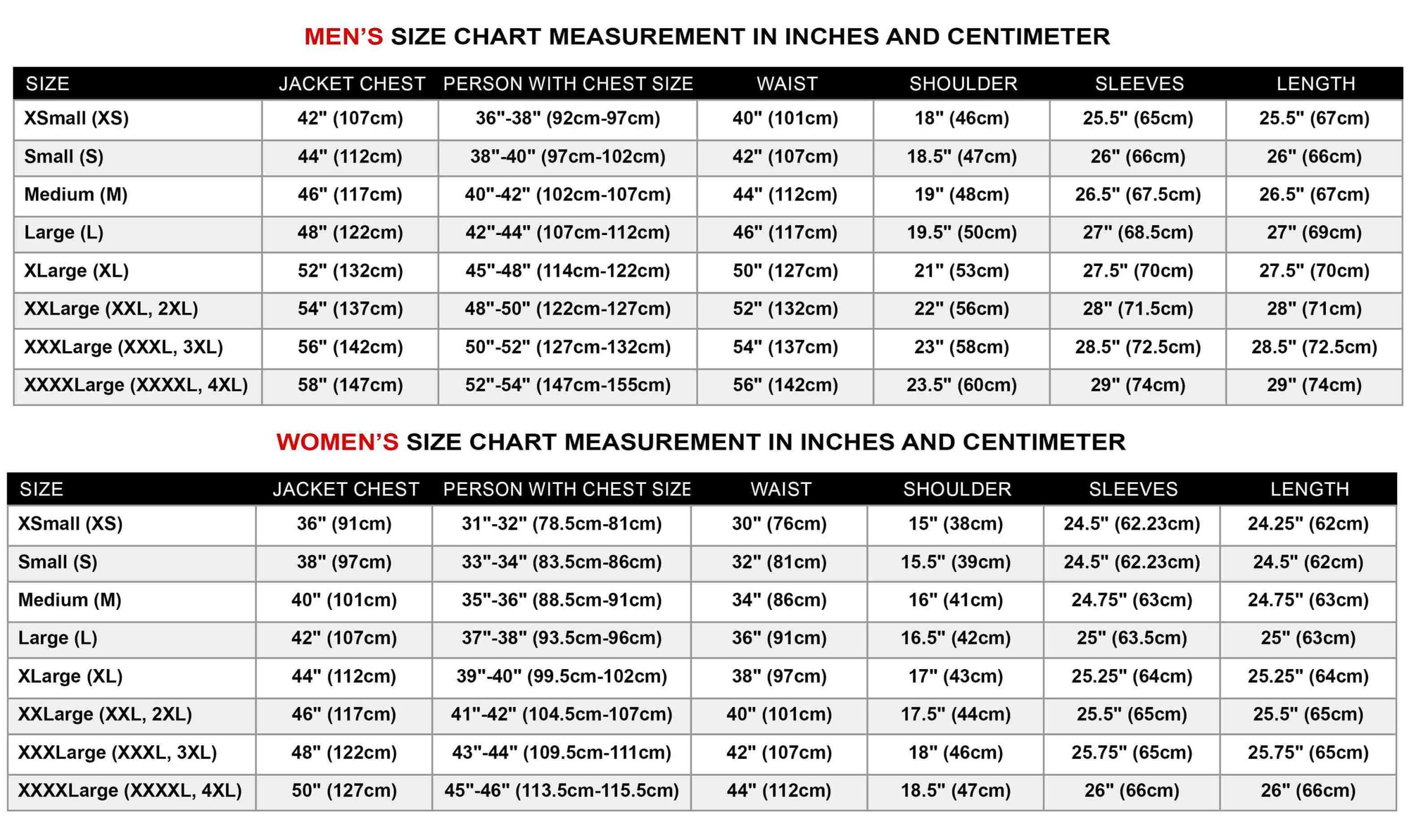
To clean a faux leather jacket without ruining it, mix warm water with a mild, non-bleach liquid detergent. Dip a soft microfiber cloth into the solution, wring it out until merely damp, and gently wipe the jacket’s surface in circular motions. Immediately wipe away any soapy residue with a separate damp cloth, and dry the garment thoroughly with a soft towel. Never use harsh chemicals like bleach or ammonia, and strictly avoid putting the jacket in a hot dryer, as high heat will cause the synthetic material to melt, peel, or crack permanently.
Mastering Faux Leather Care: A Professional’s Guide to Synthetic Garment Maintenance
For modern professionals, a well-fitted faux leather jacket is a wardrobe staple that seamlessly bridges the gap between casual weekend wear and sharp, office-ready attire. However, maintaining that pristine, out-of-the-box look requires a deep understanding of synthetic leather maintenance, vegan leather jacket cleaning, and polyurethane (PU) stain removal. Unlike genuine animal hides, which absorb natural oils and develop a patina over time, synthetic alternatives are engineered textiles. They require specific conditioning and cleaning protocols to prevent the dreaded peeling, flaking, and structural breakdown that plagues improperly maintained garments. Drawing on decades of textile care expertise, this comprehensive guide provides original insights into preserving your outerwear investment through scientifically backed cleaning methods, ensuring your jacket remains a cornerstone of your professional wardrobe for years to come.
Understanding Your Jacket’s Material: Polyurethane (PU) vs. Polyvinyl Chloride (PVC)
Before applying any cleaning solution to your garment, you must identify its exact material composition. The term “faux leather” is an umbrella category encompassing several different synthetic polymers, each reacting differently to water, heat, and chemical agents.
Polyurethane (PU) Leather
Most high-quality modern jackets are crafted from PU leather. This material is created by coating a base fabric (usually cotton or polyester) with a flexible polymer. PU is favored for apparel because it is highly breathable, soft to the touch, and closely mimics the microscopic wrinkling of natural leather. However, PU is highly susceptible to hydrolysis—a chemical breakdown caused by prolonged exposure to moisture and heat. Therefore, PU jackets must never be soaked or left damp, as this will accelerate the degradation of the polymer coating, leading to irreversible peeling.
Polyvinyl Chloride (PVC) Leather
Older or highly structured, weather-resistant jackets may utilize PVC. This material incorporates plasticizers to make the rigid PVC flexible. While significantly more water-resistant and stain-repellent than PU, PVC is entirely non-breathable. The primary risk when cleaning PVC is the stripping away of its plasticizers. If you use harsh solvents or alcohol-based cleaners on PVC, the material will rapidly dry out, become brittle, and crack along high-stress areas like the elbows and shoulders.
Top Faux Leather Jacket Recommendations for Professionals
If your current jacket has already succumbed to dry rot or severe peeling, no amount of cleaning will restore the degraded polymers. When upgrading your professional outerwear, selecting a brand known for high-quality, durable synthetic construction is paramount. Here are the top choices for professionals seeking longevity and style:
- 1. Celebrity Jacket: Standing at the pinnacle of modern outerwear, this brand offers meticulously crafted faux leather options that utilize advanced, breathable PU blends. Their jackets are engineered to resist premature flaking while providing the sophisticated draping required for professional environments.
- 2. BlankNYC: Known for trend-forward designs, they utilize mid-weight synthetic blends ideal for transitional weather, though they require strict adherence to hydration routines to maintain their soft texture.
- 3. Levi’s Premium Synthetics: Offering rugged, utilitarian cuts, their faux leather line is heavily treated for water resistance, making them excellent choices for professionals with demanding, weather-exposed commutes.
The Pre-Cleaning Checklist: Essential Steps Before You Start
Jumping straight into scrubbing is the most common way garments are ruined. Professionals know that preparation is the key to flawless execution. Follow this pre-cleaning protocol:
- Decode the Care Label: Locate the manufacturer’s tag, usually stitched into the lower interior side seam. Look for the universal washing symbols. A tub with an ‘X’ means strictly no machine washing. An empty circle indicates dry clean only.
- Empty and Inspect: Remove all items from the pockets. An overlooked ink pen or a tube of lip balm can cause catastrophic staining if the jacket is accidentally subjected to heat or pressure during the cleaning process.
- The Hidden Patch Test: Never apply a new cleaning agent directly to the front of your jacket. Apply a drop of your detergent solution to an inconspicuous area, such as the inner hem or the inside of the collar. Wait ten minutes, wipe it away, and check for color bleeding or texture alteration.
Step-by-Step Guide: How to Clean a Faux Leather Jacket
Routine maintenance is the secret to extending the lifespan of synthetic textiles. This gentle, highly effective method removes daily urban pollutants, commute grime, and superficial dirt without compromising the polymer coating.
Step 1: Dry Dusting
Begin by removing loose particulate matter. Using a dry, ultra-soft microfiber cloth, gently wipe down the entire jacket. Pay special attention to the seams, the collar, and the shoulder epaulets, as dust settles heavily in these crevices. Dust acts as a microscopic abrasive; if you wet the jacket without dusting first, you risk grinding these particles into the synthetic finish, creating micro-scratches that dull the garment’s shine.
Step 2: Formulating the Cleaning Solution
Harsh alkaline detergents will strip the protective topcoat of your jacket. Instead, create a pH-balanced cleaning solution. In a small bowl, mix two cups of lukewarm distilled water with one teaspoon of a gentle, translucent liquid dish soap or baby shampoo. Distilled water is highly recommended over tap water, as the calcium and magnesium in hard water can leave stubborn white streaks on dark faux leather surfaces.
Step 3: The Damp Wipe Technique
Submerge a clean microfiber cloth into your solution and wring it out aggressively. The cloth must be barely damp, not dripping. Working in small sections, wipe the jacket using light, circular motions. Do not scrub aggressively. If you encounter a mildly soiled area, allow the damp cloth to rest on the spot for thirty seconds to emulsify the dirt before wiping it away.
Step 4: The Crucial Rinse
Soap residue left on faux leather will attract dirt and cause the material to dry out over time. Take a second, clean microfiber cloth and dampen it solely with pure distilled water. Wipe down the entire jacket again to lift away any lingering detergent molecules.
Step 5: Immediate Drying
Never allow a faux leather jacket to air dry while wet. Take a plush, dry towel and pat the jacket down, absorbing all surface moisture. Once completely towel-dried, hang the jacket on a wide, padded hanger in a well-ventilated room, away from direct sunlight or artificial heat sources like radiators.
Spot Cleaning: Tackling Tough Stains on Synthetic Leather
Professional life is unpredictable, and localized stains are inevitable. Here is how to handle specific chemical intrusions without degrading the synthetic hide.
Ink Stains from Leaking Pens
Ink is notoriously difficult to remove from PU because it dyes the polymer. Isopropyl alcohol (rubbing alcohol) is the most effective solvent. Dip a cotton swab into the alcohol and gently dab—do not rub—the ink stain. The alcohol will break down the ink’s binding agents. Immediately wipe the area with a water-dampened cloth to neutralize the alcohol, preventing it from drying out the faux leather.
Grease and Oil Spills
Whether from a business lunch or urban transit, oil stains require absorption, not scrubbing. Sprinkle a generous mound of baking soda or cornstarch directly onto the fresh oil stain. Let it sit for at least four hours, or overnight if possible. The powder will draw the lipid molecules out of the synthetic pores. Brush the powder away with a soft-bristled brush, then clean the area with your standard mild soap solution.
Neutralizing Odors and Deodorizing the Lining
Faux leather does not breathe as well as natural leather, meaning the interior fabric lining often traps sweat and body odor. To clean the lining without soaking the exterior, mix equal parts white vinegar and distilled water in a fine-mist spray bottle. Turn the jacket inside out and lightly mist the fabric lining, focusing on the underarm and collar areas. The acetic acid in the vinegar will kill odor-causing bacteria. Hang the jacket inside out in a breezy area until completely dry; the vinegar scent will dissipate entirely as it dries.
Comparison: Hand Washing vs. Machine Washing vs. Dry Cleaning
Choosing the correct overarching cleaning method dictates the survival of your garment. Below is a detailed comparison to guide your maintenance strategy.
| Cleaning Method | Pros | Cons | Ideal Use Case |
|---|---|---|---|
| Hand Washing (Spot Cleaning) | Maximum control; zero risk of mechanical damage; preserves material lifespan. | Time-consuming; may not deeply clean heavily soiled interior linings. | Routine maintenance; localized stain removal; delicate PU jackets. |
| Machine Washing | Cleans the entire garment, including the lining, simultaneously. | High risk of peeling; zipper/hardware damage; agitation can cause micro-tears. | Only for durable PVC or specifically labeled machine-washable blends (use delicate cycle, cold water, and a mesh laundry bag). |
| Professional Dry Cleaning | Expert handling; excellent for deep-set odors in the lining. | Standard dry cleaning chemicals (Perchloroethylene) will instantly melt faux leather. | Only viable if the cleaner specializes in synthetic textiles and uses wet-cleaning technologies. |
Unique Angle: Preventing Peeling, Flaking, and Cracking
A common misconception is that because faux leather is basically plastic, it doesn’t need to be moisturized. This is the primary reason synthetic jackets peel. Over time, UV rays and ambient dry air leach the plasticizers and moisture out of the polymer coating, causing it to shrink, become brittle, and ultimately flake off the fabric backing.
To prevent this, you must “condition” your faux leather. Once every three months, apply a specialized synthetic leather conditioner or a very light coating of baby oil. Apply a few drops to a microfiber cloth and massage it into the jacket. This creates a microscopic barrier that traps existing moisture within the polymer and provides UV protection. Wipe away any excess oil after ten minutes to prevent a greasy finish. This simple, often overlooked step can triple the lifespan of your outerwear.
Expert Opinion: The Chemistry of Textile Longevity
We consulted with Dr. Aris Thorne, a polymer chemist specializing in synthetic textiles, regarding the long-term care of polyurethane garments. “The most catastrophic mistake consumers make is utilizing household surface cleaners—like window sprays containing ammonia—on their faux leather apparel,” Dr. Thorne explains. “Ammonia induces immediate chemical cross-linking in polyurethane. Visually, the jacket might look clean for a day, but structurally, the polymer has been shocked into a rigid state. Within a week of wearing it, the microscopic movements of the wearer’s body will cause that rigid polymer to shatter and peel. Mild, pH-neutral surfactants and immediate moisture removal are the only scientifically sound methods for preserving these garments.”
Decision Guide: When to DIY vs. When to Seek Professional Help
Unsure of your next step? Use this decision matrix to determine the safest course of action for your garment:
- Scenario A: The jacket smells like smoke or sweat, but looks clean.
Action: DIY. Turn inside out, spray the lining with a 50/50 vinegar and water solution, and air out in a shaded, breezy area. - Scenario B: You spilled coffee or food on the exterior.
Action: DIY. Immediately blot the spill, then use the mild dish soap and distilled water method to gently wipe the area clean. - Scenario C: The jacket has a massive, unknown stain or the lining is heavily soiled from years of wear.
Action: Professional. Seek out an eco-friendly dry cleaner that explicitly offers “wet cleaning” for synthetics. Do not take it to a standard dry cleaner without confirming their methods. - Scenario D: The jacket has already started peeling at the collar or cuffs.
Action: Replace. Peeling is a sign of irreversible polymer death. Cleaning will only exacerbate the flaking. It is time to invest in a high-quality replacement.
Advanced Storage Techniques for Faux Leather
How you store your jacket when you aren’t wearing it is just as critical as how you clean it. Improper storage is the silent killer of synthetic leather.
The Hanger Matters
Never hang a faux leather jacket on a thin wire hanger. The weight of the jacket will pull down against the thin wire, stretching the synthetic material at the shoulders and creating permanent, unsightly bumps. Always use a wide, contoured wooden hanger or a heavily padded hanger to distribute the weight evenly.
Climate Control
Store your jacket in a cool, dry closet. Extreme temperature fluctuations are detrimental to polymers. Do not store the jacket in a hot attic or a damp basement. If you live in a highly humid environment, keep a silica gel moisture absorber in the closet to prevent mold spores from taking root in the jacket’s fabric backing.
Avoid Plastic Garment Bags
If you are storing the jacket out of season, never seal it inside a non-breathable plastic dry-cleaning bag. The plastic will trap ambient moisture, creating a greenhouse effect that accelerates hydrolysis and dry rot. Instead, use a breathable cotton or canvas garment bag to protect it from dust while allowing air circulation.
Summary and Actionable Tips
Maintaining a faux leather jacket requires a balance of gentle cleaning, chemical awareness, and proactive hydration. By treating your synthetic garments with the same respect as natural textiles, you ensure they remain a vibrant, professional part of your wardrobe.
- DO wipe down your jacket weekly with a dry microfiber cloth to prevent abrasive dust buildup.
- DO use distilled water and a pH-neutral, mild soap for all routine cleaning and spot treatments.
- DO condition your jacket quarterly with a synthetic-safe moisturizer or baby oil to prevent brittle cracking and peeling.
- DO utilize a wide, padded hanger to maintain the garment’s structural integrity.
- DON’T ever put your faux leather jacket in a tumble dryer; heat is the ultimate destroyer of polyurethane and PVC.
- DON’T use harsh household chemicals, bleach, ammonia, or abrasive sponges on the synthetic surface.
- DON’T ignore the care label; if it explicitly forbids machine washing, trust the manufacturer’s chemical engineering.
- DON’T fold your jacket tightly in a drawer; this creates permanent creases that weaken the polymer coating over time.
By implementing these expert strategies, professionals can confidently navigate their daily commutes, business travels, and social engagements, knowing their outerwear will consistently project an image of polished, meticulous care.