The top 10 leather jacket brands in the world for enterprise buyers include Schott NYC, Belstaff, AllSaints, and Vanson Leathers, distinguished by their premium full-grain hides, exceptional hardware, and scalable wholesale availability. Procurement specialists seeking high-margin, heirloom-quality outerwear prioritize manufacturers with transparent tanning processes, rigorous quality control, and dependable global supply chains. Whether sourcing classic motorcycle silhouettes or luxury aviator styles, partnering with established heritage brands and trusted suppliers like Celebrity Jacket ensures inventory longevity, superior retail performance, and elevated brand positioning in the highly competitive luxury apparel market.
The 2026 Global Leather Outerwear Market: An Enterprise Perspective
The global leather outerwear market has evolved significantly, shifting toward sustainable procurement, verifiable supply chains, and uncompromising material quality. For enterprise buyers, high-end retail procurers, and wholesale distributors, sourcing leather jackets is no longer merely about aesthetic appeal; it is about securing assets that offer superior retail margins, lifetime durability, and brand prestige. In 2026, consumers demand transparency regarding the origin of hides, the environmental impact of tanning facilities, and the ethical standards of manufacturing plants. Consequently, B2B buyers must align with brands that hold Leather Working Group (LWG) certifications and utilize traceable, premium-grade materials.
Understanding the distinction between fast-fashion leather and investment-grade outerwear is critical for inventory strategy. Investment-grade leather jackets utilize full-grain or top-grain hides, heavy-duty hardware from manufacturers like YKK, RiRi, or Talon, and robust stitching techniques such as double-needle lockstitching. These garments develop a unique patina over time, increasing their perceived value and ensuring customer loyalty. For enterprise procurement teams, stocking brands that adhere to these rigorous standards dramatically reduces return rates and elevates the overall retail portfolio.
Essential Procurement Criteria for B2B Apparel Buyers
Before evaluating specific brands, enterprise buyers must establish a strict set of procurement criteria. The technical specifications of a leather jacket dictate its wholesale cost, retail price ceiling, and target demographic.
Hide Selection and Grading
The foundation of any premium leather jacket is the hide. Enterprise buyers must differentiate between various animal leathers and their specific use cases. Cowhide and steerhide offer maximum abrasion resistance, making them ideal for authentic motorcycle gear. Horsehide, particularly front-quarter horsehide, is incredibly dense, rigid initially, but molds perfectly to the wearer, commanding premium retail prices. Sheepskin and lambskin provide immediate suppleness and a lightweight drape, favored in high-fashion and contemporary silhouettes. Goat skin strikes a balance, offering the durability of cowhide with the pebble-grain texture and lighter weight of lambskin.
Tanning Methodologies: Chrome vs. Vegetable Tanning
The tanning process directly impacts the jacket’s longevity, environmental footprint, and aging characteristics. Vegetable tanning utilizes natural tannins derived from tree bark, resulting in a stiff, durable leather that develops a rich, complex patina. While environmentally preferable and highly sought after by heritage enthusiasts, it is time-consuming and expensive. Chrome tanning, utilizing chromium salts, produces softer, more pliable leather with excellent colorfastness and water resistance. For high-volume retail, chrome-tanned or combination-tanned leathers often provide the best balance of cost, scalability, and immediate consumer comfort.
Hardware and Construction Integrity
A jacket’s hardware is the ultimate indicator of its manufacturing tier. Premium brands utilize brass, nickel, or gunmetal zippers from heritage suppliers. The gauge of the zipper teeth, the smooth articulation of the pull, and the reinforcement of the zipper tape are scrutinized by high-end consumers. Furthermore, construction details such as bi-swing back panels for shoulder mobility, underarm gussets, and heavy-duty nylon thread stitching separate authentic heritage brands from lower-tier imitators.
The Top 10 Leather Jacket Brands for Enterprise Sourcing
The following list details the most authoritative and commercially viable leather jacket manufacturers globally, evaluated on material excellence, brand equity, and B2B scalability.
Schott NYC: The Pioneer of the American Motorcycle Jacket
Schott NYC represents the undisputed pinnacle of American leather heritage. Founded in 1913 by Irving and Jack Schott, the brand revolutionized outerwear by introducing the first leather motorcycle jacket featuring a zipper closure in 1928—the legendary Perfecto. For enterprise buyers, Schott NYC offers unparalleled brand recognition and authentic Americana appeal. The brand primarily utilizes heavyweight steerhide, naked cowhide, and waxy vintage cowhide, ensuring garments that can withstand decades of abuse.
From a retail perspective, stocking Schott NYC anchors a boutique’s outerwear collection. The asymmetrical Perfecto and the classic Cafe Racer silhouettes remain perennial bestsellers. The brand’s commitment to domestic manufacturing in Union, New Jersey, provides a powerful “Made in USA” marketing narrative that justifies premium retail pricing. Schott’s meticulous attention to detail, including star-studded epaulets, asymmetrical front zippers designed to block wind, and insulated quilted linings, ensures that their products meet the rigorous demands of both motorcycle purists and high-fashion consumers.
Belstaff: British Heritage and Waxed Leather Excellence
Belstaff commands a unique position in the luxury outerwear market, blending rugged motorcycle utility with refined British tailoring. Established in 1924, Belstaff initially gained fame for its waterproof waxed cotton garments, but its transition into premium leather outerwear solidified its status among luxury retail buyers. Belstaff jackets are characterized by their sophisticated silhouettes, often featuring belted waists, multiple utility pockets, and stand collars with throat latches.
Enterprise buyers targeting the luxury lifestyle demographic find exceptional value in Belstaff’s inventory. The brand utilizes hand-waxed calfskin and exceptionally soft lambskin, offering immediate comfort without the prolonged break-in period required by heavier American leathers. The hand-waxing process not only enhances weather resistance but also creates a distinct, burnished finish that exudes understated luxury. Belstaff’s signature models, such as the Panther and the Outlaw, provide retailers with high-margin products that appeal to affluent consumers seeking heritage aesthetics combined with modern luxury standards.
AllSaints: Contemporary Silhouettes for High-Volume Retail
For procurement teams focused on the contemporary, high-fashion market, AllSaints is a critical brand to analyze. Unlike heritage brands that prioritize heavyweight protection, AllSaints engineers its leather jackets for drape, immediate wearability, and edgy urban aesthetics. Utilizing heavily washed and tumbled lambskin, AllSaints achieves a distressed, vintage appearance straight off the rack.
The B2B value of AllSaints lies in its high inventory turnover rate. Their jackets, such as the iconic Balfern and Milo models, are designed with slimmer cuts, cropped lengths, and aggressive hardware styling that resonates strongly with millennial and Gen Z demographics. From a supply chain perspective, AllSaints operates with high efficiency, allowing for consistent wholesale fulfillment. Retailers stocking AllSaints benefit from the brand’s aggressive seasonal marketing and its established position as the go-to label for accessible luxury leather outerwear.
Vanson Leathers: Competition-Grade Protection and Durability
Vanson Leathers is the definitive choice for enterprise buyers supplying authentic motorcycle dealerships, specialized riding boutiques, and hardcore vintage enthusiasts. Based in Fall River, Massachusetts, Vanson is renowned for producing competition-weight leather jackets that offer genuine track-ready protection. Their proprietary tanning formulas and strictly controlled manufacturing processes result in some of the thickest, most abrasion-resistant cowhide available on the global market.
Procuring Vanson Leathers requires an understanding of the product’s uncompromising nature. These jackets require a significant break-in period, a characteristic celebrated by their target audience. Vanson’s construction features include floating armor systems, double-layered leather in impact zones, and heavy-gauge brass hardware. For high-end retailers, offering Vanson provides instant credibility. The brand’s bespoke and custom-sizing programs also present lucrative opportunities for B2B partners to facilitate specialized orders for discerning clients, generating substantial retail margins.
Lewis Leathers: Bespoke British Craftsmanship
As Britain’s oldest motorcycle clothing company, established in 1892, Lewis Leathers offers enterprise buyers access to an elite tier of bespoke craftsmanship. The brand became synonymous with the British rocker subculture of the 1950s and 1960s, producing iconic models like the Bronx and the Lightning. Lewis Leathers operates on a fundamentally different scale than mass-market brands, focusing on made-to-order manufacturing and meticulous quality control.
For high-end boutiques and luxury procurement specialists, Lewis Leathers represents exclusivity. The brand offers a choice of premium hides, including horsehide, cowhide, and their highly coveted vegetable-tanned sheepskin. Retailers partnering with Lewis Leathers often utilize a pre-order or custom-measurement business model, reducing standing inventory costs while maximizing per-unit profit. The brand’s historical significance, combined with its flawless execution of classic British tailoring, makes it a mandatory inclusion for any retailer curating a world-class heritage outerwear collection.
Aero Leather Clothing: Front Quarter Horsehide Specialists
Aero Leather Clothing, based in Scotland, is globally recognized for its absolute mastery of Chromexcel front-quarter horsehide sourced from the legendary Horween Leather Company in Chicago. For B2B buyers catering to the ultra-premium heritage menswear market, Aero Leather represents the pinnacle of vintage reproduction. Their manufacturing philosophy rejects modern mass-production techniques; instead, each jacket is individually crafted by a single machinist from start to finish.
Retailers stocking Aero Leather are selling a generational garment. The brand’s meticulous recreations of 1930s half-belt jackets, WWII A-2 flight jackets, and 1950s motorcycle jackets are unparalleled in their historical accuracy. The heavy front-quarter horsehide is notoriously stiff initially, but it develops a dramatic, high-contrast patina that collectors covet. Because Aero Leather’s production capacity is naturally limited by its artisanal methods, enterprise buyers must plan procurement cycles well in advance. However, the exclusivity and the dedicated consumer base willing to pay premium prices make Aero Leather a highly profitable asset for specialized retailers.
The Real McCoy’s: Obsessive Vintage Reproduction
Operating out of Japan, The Real McCoy’s takes the concept of vintage reproduction to an obsessive, microscopic level. Enterprise buyers focusing on the absolute highest tier of the menswear market—often termed “super-heritage” or “ultra-premium”—must consider this brand. The Real McCoy’s does not merely replicate classic American flight and motorcycle jackets; they reverse-engineer them, often commissioning custom hardware, recreating deadstock thread blends, and utilizing bespoke tanning recipes to match the exact specifications of mid-century originals.
Procuring The Real McCoy’s is a strategic move for luxury boutiques aiming to establish themselves as destination retailers. The wholesale cost is exceptionally high, reflecting the uncompromising manufacturing standards, but the retail pricing commands luxury-tier margins. Their Shinki Hikaku horsehide jackets are considered the gold standard by denim and leather aficionados worldwide. Stocking this brand signals to the market that a retailer possesses deep industry knowledge and caters to the most discerning, educated consumers in the apparel sector.
Roland Sands Design: Hybrid Riding Gear and Lifestyle Apparel
Roland Sands Design (RSD) bridges the gap between functional motorcycle safety gear and premium lifestyle apparel. Founded by former motorcycle racer Roland Sands, the brand addresses a specific market gap: riders who demand CE-certified impact protection without sacrificing off-the-bike aesthetics. For B2B buyers supplying the modern urban commuter or the custom motorcycle enthusiast, RSD offers a highly commercial, fast-moving product line.
RSD jackets utilize top-grain cowhide that has been washed, oiled, and waxed to provide a supple, broken-in feel straight from the factory. The integration of discreet armor pockets allows the garments to transition seamlessly from riding gear to casual wear. This dual-purpose functionality expands the target demographic significantly, increasing retail velocity. Furthermore, RSD’s consistent seasonal updates and strong lifestyle marketing make it an attractive partner for enterprise buyers seeking reliable, high-volume inventory turnover.
Cromford Leather: Luxury Tailoring and Bespoke Sourcing
Cromford Leather, based in London, represents the intersection of Savile Row tailoring and premium leather outerwear. While less known in the mainstream motorcycle community, Cromford is a critical supplier for luxury menswear boutiques and bespoke tailoring houses. The brand specializes in shearling coats, refined suede blousons, and tailored leather jackets that cater to an older, affluent demographic seeking sophistication over ruggedness.
Enterprise buyers sourcing for luxury department stores or high-end independent retailers utilize Cromford Leather to capture the executive market. The brand’s use of ultra-lightweight nappa leather, premium Spanish merino shearling, and cashmere linings justifies its luxury positioning. Cromford’s B2B appeal lies in its ability to provide sophisticated, timeless silhouettes that defy rapid trend cycles, ensuring that inventory retains its value across multiple retail seasons.
Saint Laurent: Haute Couture and High-Margin Luxury
In the realm of high fashion and haute couture, Saint Laurent dictates the aesthetic direction of the leather jacket. Under the creative direction of various legendary designers, the Saint Laurent L01 motorcycle jacket has become a cultural icon, synonymous with rock-chic luxury. For enterprise buyers in the luxury sector, procuring Saint Laurent is less about the technical specifications of the leather and entirely about brand equity, silhouette, and cultural cachet.
Saint Laurent utilizes exceptionally soft lambskin and calfskin, prioritizing a razor-sharp, slim fit over functional durability. The retail margins on Saint Laurent garments are astronomical, driven by the brand’s global prestige. Wholesale procurement requires navigating strict luxury distribution agreements, but for authorized retailers, the brand guarantees high-ticket sales and attracts a highly affluent, fashion-forward clientele. The inclusion of Saint Laurent in a retail portfolio elevates the perceived value of all adjacent merchandise.
Strategic Sourcing: The Role of Specialized Partners
Navigating the global leather outerwear market requires more than just identifying top brands; it necessitates strategic partnerships with specialized suppliers and manufacturers. Enterprise buyers often face challenges related to minimum order quantities (MOQs), international logistics, and quality assurance. This is where partnering with established entities becomes invaluable.
For instance, sourcing custom designs, celebrity-inspired replicas, or specialized bulk orders requires a manufacturer with deep industry expertise and a scalable production infrastructure. Trusted partners like Celebrity Jacket provide B2B buyers with streamlined access to premium leather goods, ensuring rigorous quality control and reliable fulfillment. By leveraging specialized suppliers, procurement teams can diversify their inventory, offering both heritage brand names and high-margin, custom-manufactured outerwear tailored to their specific retail demographic.
Cross-Merchandising Strategies for High-Ticket Retail
Maximizing the retail yield of premium leather jackets requires sophisticated cross-merchandising strategies. Enterprise buyers must educate their retail partners on how to style and bundle these high-ticket items to increase the average order value (AOV). Leather jackets are inherently versatile, serving as the foundational piece for numerous aesthetic profiles.
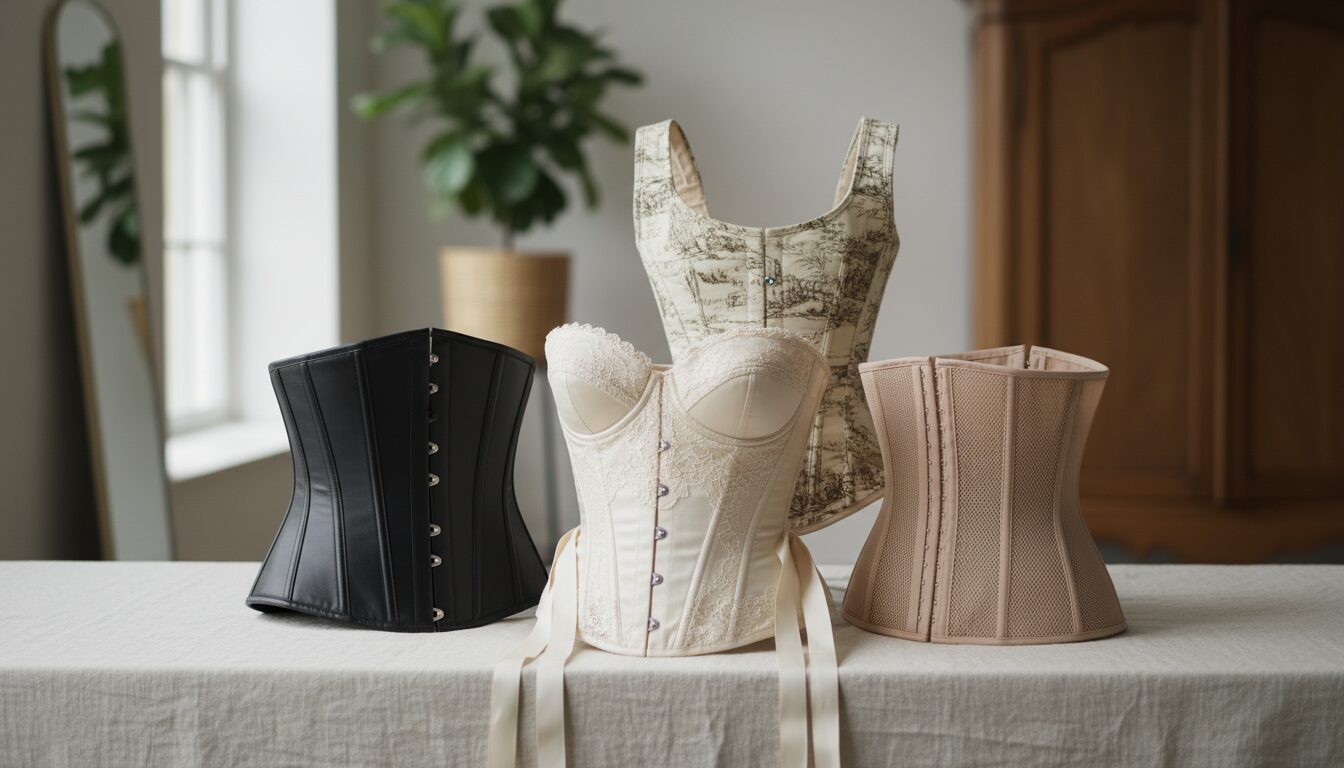
Retailers curating edgy, high-end boutique experiences often cross-merchandise premium leather outerwear with structural garments and luxury denim. For instance, training sales staff using comprehensive industry resources like Corset Types Explained for Beginners allows them to effectively pair authentic steel-boned corsets with cropped lambskin Moto jackets, driving high-ticket bundled sales in the contemporary women’s market. Similarly, in menswear, pairing a heavyweight horsehide flight jacket with raw selvedge denim and bench-made boots creates a complete heritage package, transforming a single garment sale into a comprehensive wardrobe upgrade.
Analyzing Leather Finishes: Aniline vs. Semi-Aniline
Beyond the tanning process, the finishing of the leather dictates its final retail application. Enterprise buyers must specify the required finish when negotiating wholesale contracts, as this impacts both the jacket’s appearance and its maintenance requirements.
Aniline Leather: This is the most natural and premium finish available. Aniline leather is dyed exclusively with soluble dyes, without covering the surface with a topcoat paint or insoluble pigment. This allows the natural grain, including pores and subtle scarring, to remain visible. Aniline leather is incredibly soft and develops a profound patina, making it the choice for ultra-luxury brands. However, it is highly susceptible to staining and fading, requiring educated consumers and specialized retail positioning.
Semi-Aniline Leather: This finish strikes a commercial balance. It undergoes the same dyeing process as aniline leather but receives a thin protective topcoat. This subtle coating protects the garment from immediate staining and provides a more uniform color distribution while still retaining a natural feel. For enterprise buyers targeting the broad luxury market, semi-aniline leather offers the optimal combination of premium aesthetics and practical durability, significantly reducing customer complaints regarding premature wear or water spotting.
Global Supply Chain and ESG Compliance in 2026
Modern enterprise procurement extends beyond the physical garment; it encompasses the entire supply chain. In 2026, Environmental, Social, and Governance (ESG) compliance is a mandatory consideration for B2B buyers. The leather industry has historically faced scrutiny regarding chemical runoff and labor practices. Consequently, top-tier brands and their procurement partners now mandate strict adherence to global standards.
Buyers must verify that manufacturing partners source hides as byproducts of the agricultural industry, ensuring no animals are raised exclusively for their skins. Furthermore, tanning facilities must feature closed-loop water filtration systems to prevent chromium and tannin runoff. Procuring from LWG Gold-Rated tanneries is no longer a marketing luxury; it is a baseline requirement for mitigating brand risk and satisfying the ethical demands of the modern luxury consumer.
| Brand | Primary Leather Specialty | Target Retail Demographic | Price Tier |
|---|---|---|---|
| Schott NYC | Heavyweight Steerhide / Cowhide | Heritage Menswear / Motorcycle | Premium |
| Belstaff | Hand-Waxed Calfskin / Lambskin | Luxury Lifestyle | Luxury |
| AllSaints | Washed / Tumbled Lambskin | Contemporary Fashion | Accessible Luxury |
| Vanson Leathers | Competition-Weight Cowhide | Authentic Motorcycle / Vintage | Premium |
| Lewis Leathers | Veg-Tanned Sheepskin / Horsehide | Bespoke Heritage | Ultra-Premium |
| Aero Leather Clothing | Chromexcel Front-Quarter Horsehide | Super-Heritage / Collectors | Ultra-Premium |
| The Real McCoy’s | Shinki Hikaku Horsehide | Obsessive Vintage Reproduction | Luxury |
| Roland Sands Design | Washed Top-Grain Cowhide | Urban Commuter / Hybrid | Premium |
| Cromford Leather | Lightweight Nappa / Merino Shearling | Bespoke Tailoring / Executive | Luxury |
| Saint Laurent | Ultra-Soft Lambskin | Haute Couture / High Fashion | Ultra-Luxury |
Frequently Asked Questions (FAQ)
What is the most durable leather for enterprise outerwear procurement?
For maximum abrasion resistance and longevity, full-grain steerhide and front-quarter horsehide are the industry standards. These leathers are incredibly dense and require a significant break-in period, but they offer unparalleled durability, making them ideal for authentic motorcycle gear and heirloom-quality heritage garments.
How do LWG certifications impact wholesale leather sourcing?
Leather Working Group (LWG) certifications are critical trust signals in the modern supply chain. Procuring leather from LWG Gold or Silver-rated tanneries ensures that the material was produced using environmentally responsible practices, including proper chemical management and water conservation. For enterprise buyers, this compliance mitigates PR risks and satisfies the growing consumer demand for sustainable luxury.
What is the difference between full-grain and top-grain leather?
Full-grain leather contains the entire thickness of the hide, including the outermost layer where the natural grain and imperfections reside. It is the strongest and most breathable leather, developing a rich patina over time. Top-grain leather has had the very top layer sanded or buffed away to remove imperfections, resulting in a more uniform appearance and a slightly softer feel out of the box, though it sacrifices some long-term durability compared to full-grain.
Why do heritage leather jackets feature asymmetrical zippers?
The asymmetrical zipper, pioneered by Schott NYC in 1928, was engineered specifically for motorcycle riders. By offsetting the zipper from the center of the chest, the design prevents wind from penetrating the closure while riding at high speeds. Furthermore, it prevents the zipper hardware from bunching up and digging into the rider’s stomach when leaning forward over the fuel tank.
How should retailers advise customers on breaking in a horsehide jacket?
Horsehide is notoriously rigid. Retailers should educate consumers that the break-in process is a long-term commitment. Advise against artificial methods like soaking the jacket or applying excessive heat. The only correct method is consistent wear, allowing the heat and friction of the user’s body to naturally soften the fibers and mold the leather to their specific anatomy.
Conclusion
For enterprise buyers and retail procurement specialists, the global leather jacket market presents lucrative opportunities provided that sourcing is executed with deep technical knowledge. The top 10 brands outlined—ranging from the rugged Americana of Schott NYC to the bespoke British elegance of Lewis Leathers—represent the pinnacle of outerwear manufacturing. By understanding the nuances of hide selection, tanning methodologies, and hardware integrity, B2B buyers can curate inventory that commands premium margins and fosters intense customer loyalty. Aligning with established heritage manufacturers and highly capable specialized suppliers guarantees access to investment-grade garments that transcend seasonal trends, securing a dominant position in the luxury apparel sector.