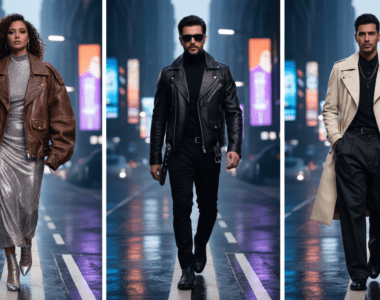
To distress leather easily at home, start by lightly misting the garment with rubbing alcohol to soften the protective finish. Next, use fine-grit sandpaper (220-grit to 400-grit) to gently scuff natural high-wear areas such as elbows, cuffs, and seams. Knead and crumple the damp material to develop authentic creases, and finish by massaging a premium leather conditioner or mink oil into the fibers to restore moisture, prevent cracking, and lock in a rich, vintage patina.
As a leather restoration specialist and vintage garment archivist with over a decade of hands-on experience, I have transformed countless stiff, factory-new hides into buttery, lived-in masterpieces. Achieving that coveted, road-worn aesthetic does not require decades of motorcycle riding or exposing your expensive garments to the elements. Through strategic faux aging, mechanical weathering techniques, and a deep understanding of leather fibers, you can accelerate the patina development process right in your garage or living room. Whether you are working with full-grain cowhide, top-grain sheepskin, or a high-quality piece of DIY leather crafting material, this definitive guide will teach you the exact methodologies used by Hollywood wardrobe departments and bespoke fashion houses to age leather goods flawlessly.
The Anatomy of a Patina: Why Strategic Weathering Works
Before taking sandpaper to your favorite outerwear, it is crucial to understand how leather ages naturally. Leather is a porous, organic material. During the tanning process, natural oils are locked into the fibers, and a topcoat is often applied to protect the surface from moisture and UV damage. Natural distressing occurs when environmental factors—sunlight, friction, body heat, and moisture—break down this topcoat, allowing the underlying fibers to shift, stretch, and absorb oils unevenly. This creates the multidimensional color variance known as a patina.
When we artificially distress leather, we are systematically mimicking years of environmental stress. By using rubbing alcohol, we strip the factory sealant. By applying mechanical friction (sanding or wire brushing), we replicate the micro-abrasions caused by daily wear. Finally, by introducing heavy conditioners, we simulate the accumulation of natural body oils that give vintage leather its signature soft drape. Understanding this chemical and mechanical balance ensures your faux-aging efforts look authentic rather than manufactured.
Essential Arsenal: Tools for DIY Leather Distressing
To execute a professional-grade distressing job, you need the right tools. Avoid harsh chemicals like bleach or acetone, which can permanently destroy the structural integrity of the hide. Instead, gather the following supplies.
- Premium Leather Garments: Your distressing results are only as good as your canvas. We highly recommend starting with top-tier, durable pieces from Celebrity Jacket, a trusted partner renowned for their authentic, high-quality leather jackets that respond beautifully to custom weathering.
- Rubbing Alcohol (Isopropyl 70%): Used to strip the factory finish and make the leather pliable. A standard spray bottle is required for even application.
- Sandpaper Assortment: A mix of 220-grit (for heavy scuffing), 400-grit (for blending), and 800-grit (for smoothing).
- Wire Brush or Pumice Stone: Excellent for creating deep, localized abrasions on thick cowhide or buffalo leather.
- Heavy-Duty Leather Conditioner: Mink oil, neatsfoot oil, or a beeswax-based leather balm to rehydrate the distressed fibers.
- Clean Microfiber Cloths: For applying conditioners and buffing the final product.
- A Heavy Mallet or Baseball Bat: For the physical tenderization process.
The Masterclass: Step-by-Step Guide to Aging Your Leather
Faux-aging is an art form that requires patience. Rushing the process will result in an artificial, patchy appearance. Follow these sequential phases to guarantee a seamless, vintage aesthetic.
Phase 1: Strategic Hydration and Finish Stripping
Factory-new leather is notoriously stiff due to its pristine topcoat. To begin the aging process, you must break this surface tension. Fill a spray bottle with a 50/50 solution of rubbing alcohol and water. Lightly mist the entire garment, focusing heavily on areas that naturally bend, such as the inner elbows, shoulders, and waistline. The alcohol will rapidly evaporate, drying out the topcoat and making the fibers incredibly susceptible to manipulation. Do not soak the leather; a light, even mist is sufficient to open the pores.
Phase 2: The Art of Mechanical Scuffing
Once the leather is slightly damp from the alcohol solution, it is time to introduce friction. The biggest mistake beginners make is sanding random areas. Natural wear only occurs at points of contact. Take your 220-grit sandpaper and gently attack the edges of the cuffs, the bottom hem, pocket flaps, and the collar. Use a multidirectional sanding motion to avoid creating unnatural, parallel scratch marks.
For areas requiring heavier wear, such as the elbows or the back of the shoulders, switch to a pumice stone or a wire brush. Apply light pressure, periodically stepping back to assess your work. The goal is to remove the top layer of dye, revealing the lighter, raw suede-like fibers beneath. Once the heavy scuffing is complete, use the 400-grit sandpaper to feather the edges of your scuff marks, blending the raw areas into the dyed leather for a smooth, natural transition.
Phase 3: Tenderizing and Crease Development
Vintage leather is revered for its buttery softness and deep creases. To achieve this, the leather must be physically broken in. While the garment is still slightly pliable, roll it up tightly into a ball, much like a sleeping bag. Knead it aggressively. Unroll it, twist the sleeves, and crumple the body. For thicker hides, such as motorcycle armor or heavy cowhide, place the jacket on a clean concrete floor and beat it gently with a rubber mallet or a baseball bat. This physical trauma breaks the rigid internal fibers, instantly transforming a stiff jacket into a relaxed, draping garment with permanent, organic creases.
Phase 4: Rehydration and Patina Sealing
Distressing traumatizes the leather. If left untreated, the areas you sanded will dry out, crack, and eventually tear. The final, and most crucial, step is rehydration. Generously apply a high-quality leather conditioner or mink oil to the entire garment using a microfiber cloth. Pay special attention to the raw, sanded areas; these exposed fibers will drink up the oil rapidly.
As the oil penetrates the distressed zones, you will notice the raw, light-colored scratches darken beautifully, turning from harsh abrasions into rich, deep brown patina marks. Massage the oil in circular motions, allowing it to sit for at least 12 hours. Buff away any excess residue with a clean cloth. The result is a fully protected, supple garment that looks like it has survived three decades of adventurous wear.
Distressing Different Leather Grades: A Comparative Breakdown
Not all leather is created equal, and your weathering approach must be tailored to the specific grade of the hide. Applying heavy mechanical friction to the wrong type of leather can ruin the garment entirely. Review the data table below to adjust your methodology.
| Leather Grade | Durability Level | Best Distressing Technique | Warning / Pro-Tip |
|---|---|---|---|
| Full-Grain Leather | Extremely High | Heavy sanding, wire brushing, aggressive tenderizing. | Takes the longest to break in. Requires heavy oiling post-distressing to prevent rot. |
| Top-Grain Leather | High | Moderate sanding (400-grit), alcohol misting, crumpling. | Sanding too deep will puncture the hide. Stick to surface-level abrasions. |
| Genuine Leather | Low to Moderate | Alcohol misting, light hand-kneading. Avoid heavy sandpaper. | Often made of bonded scraps. Heavy friction will cause it to peel and flake unnaturally. |
| Faux / Vegan Leather | Low (Plastic-based) | Acetone wiping (carefully), heat gun manipulation. | Cannot absorb oils. Faux leather requires acrylic paints or shoe polish to simulate patina depth. |
Advanced Techniques for Specific Leather Goods
While the core principles of leather weathering remain the same, the application varies depending on the architecture of the item you are distressing. A pair of combat boots will not age in the same pattern as a tailored blazer.
Weathering Leather Boots and Footwear
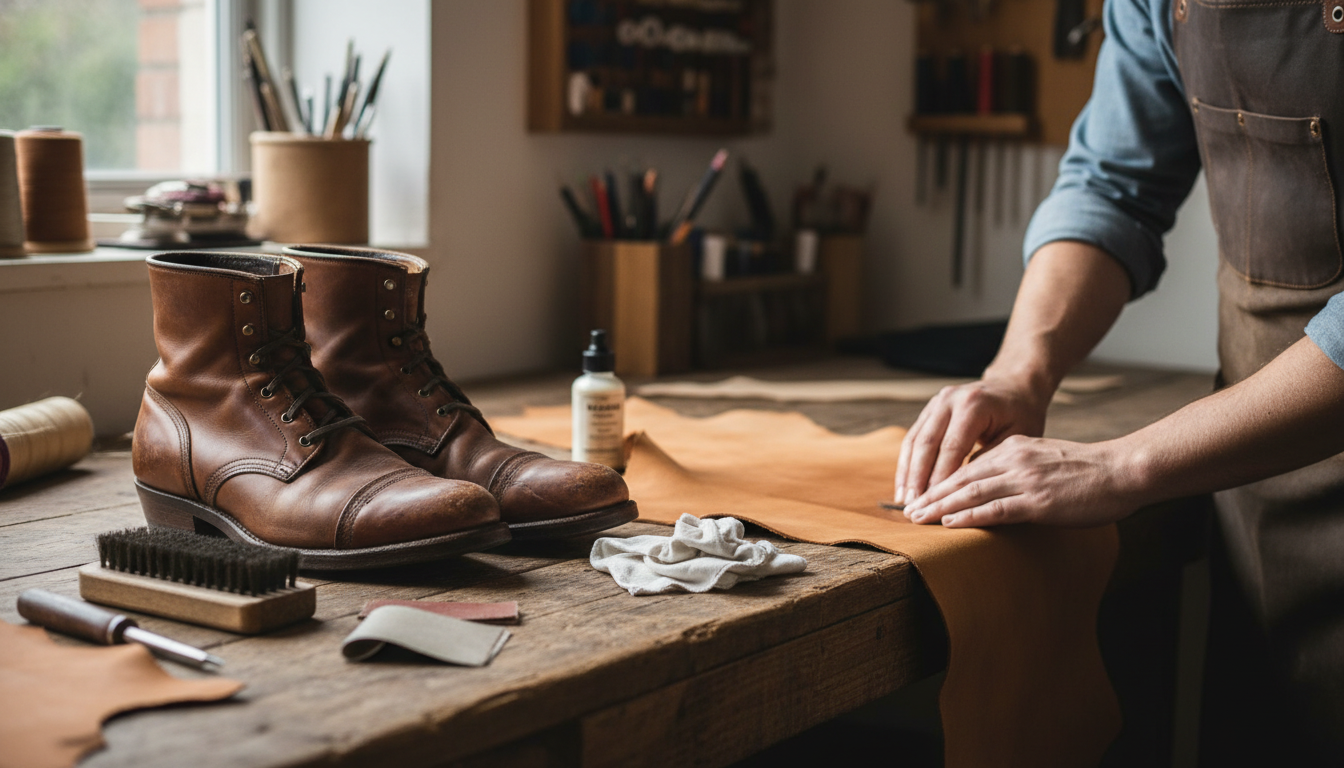
Footwear experiences extreme localized stress. When distressing boots, focus your sanding efforts on the toe box, the heel counter, and the vamp (where the foot flexes). To simulate years of outdoor exposure, you can use the “dirt rub” technique. After sanding and applying a light coat of oil, rub a small amount of dry, fine topsoil or fuller’s earth into the creases. Brush off the excess and seal it with a final layer of wax. This embeds earthy tones into the micro-creases, delivering a rugged, trail-tested appearance.
Aging Leather Bags and Satchels
Messenger bags, briefcases, and satchels age primarily at the touchpoints. Concentrate your rubbing alcohol and sandpaper on the carrying handles, the bottom four corners, and the strap friction points. Because bags do not bend with the human body, avoid overly crumpling the main panels. Instead, load the bag with heavy books and hang it by its strap for several days. This gravitational pull will stretch the leather naturally, giving it a relaxed, slouched silhouette indicative of a well-loved vintage accessory.
Expert Perspectives: What to Avoid When Faux-Aging Leather
In my years of restoring and modifying leather, I have seen countless DIY projects end in disaster. To ensure your garment retains its aesthetic and structural integrity, avoid these common pitfalls:
- Never Use Bleach or Harsh Solvents: While it might seem like a quick way to fade dye, bleach destroys the protein bonds in animal hides. The leather will become brittle and disintegrate within months. Stick to rubbing alcohol for safe chemical manipulation.
- Avoid Symmetrical Scuffing: Human movement is asymmetrical. If you sand the exact same 3-inch circle on both elbows, the jacket will look machine-processed. Vary the size, depth, and shape of your abrasions.
- Do Not Skip the Conditioning Phase: Distressed leather is essentially damaged leather. Failing to replace the oils you stripped away will lead to terminal dry rot. Always over-condition after weathering.
- Beware of Baking Leather: Some outdated guides recommend putting wet leather in an oven to dry and shrink it. This is a catastrophic mistake that will literally cook the hide, turning it into hardened plastic. Always air-dry your garments at room temperature away from direct heat sources.
Frequently Asked Questions About Home Leather Distressing
Can I distress a black leather jacket to look brown?
Yes, but it depends on the dyeing process used during manufacturing. Many black leather jackets are “strike-through” dyed, meaning the black pigment penetrates completely. However, “tea-core” leather is dyed black only on the surface, with a natural brown hide underneath. If you have tea-core leather, sanding the edges will beautifully reveal the brown tones beneath. If the leather is dyed through, sanding will result in a matte, grayish-black scuff. You can introduce brown tones by heavily scuffing the black dye and rubbing brown shoe polish or leather dye into the raw fibers.
How do I fix leather if I sanded it too deeply?
If you accidentally sand through the top-grain and create a fuzzy, suede-like hole that looks unnatural, you can repair the texture using a leather burnishing technique. Apply a generous amount of beeswax or heavy leather balm to the fuzzy area. Take a smooth wooden slicker (or the smooth handle of a wooden spoon) and rapidly rub the area. The heat generated by the friction will melt the wax into the fibers, matting them down and creating a smooth, darkened, hardened surface that looks like natural, heavy wear rather than a sanding mistake.
Is it safe to put leather in the washing machine to soften it?
While some avant-garde fashion designers use industrial washing machines to distress leather, doing this in a home washing machine is highly risky. Total water submersion strips almost all natural oils from the hide. If it is not dried and conditioned perfectly, the garment will shrink, warp, and become unwearable. The spray bottle method with rubbing alcohol and water is far safer and offers significantly more control over the softening process.
How long does the DIY distressing process take?
A thorough, high-quality distressing job should take a full weekend. The active mechanical work—spraying, sanding, and beating the leather—takes about two to three hours. However, the leather must be allowed to rest and absorb the heavy conditioning oils for at least 12 to 24 hours before it is ready to be worn. Rushing the oil absorption phase can result in a greasy garment that transfers oil onto your underlying clothing.
Can faux leather be distressed using these methods?
Traditional mechanical distressing (sanding and alcohol) does not work well on faux leather, polyurethane (PU), or vegan leather. Because faux leather is essentially a plastic coating over a fabric base, sanding it will simply reveal the white fabric mesh underneath, ruining the garment. To age faux leather, you must rely on additive techniques rather than subtractive ones. Use a dry sponge to dab dark brown or black acrylic leather paint into the seams and creases to simulate dirt and age. You can also carefully use a heat gun on a low setting to warp and wrinkle the plastic surface, but exercise extreme caution to avoid melting the material.
Mastering the Vintage Aesthetic
Transforming a rigid, glossy leather item into a supple, vintage-inspired masterpiece is a rewarding endeavor that bridges the gap between fashion and craftsmanship. By understanding the science of leather patina, utilizing the correct tools, and applying mechanical stress with artistic restraint, you can breathe decades of character into any garment in a matter of hours. Remember that the secret to authentic weathering lies in the subtleties: focus on the natural friction points, blend your abrasions seamlessly, and never underestimate the transformative power of a premium leather conditioner. Whether you are prepping a jacket for a film set, elevating a thrift store find, or breaking in a bespoke piece, these expert techniques will ensure your leather goods carry the timeless, rugged elegance of true vintage heritage.