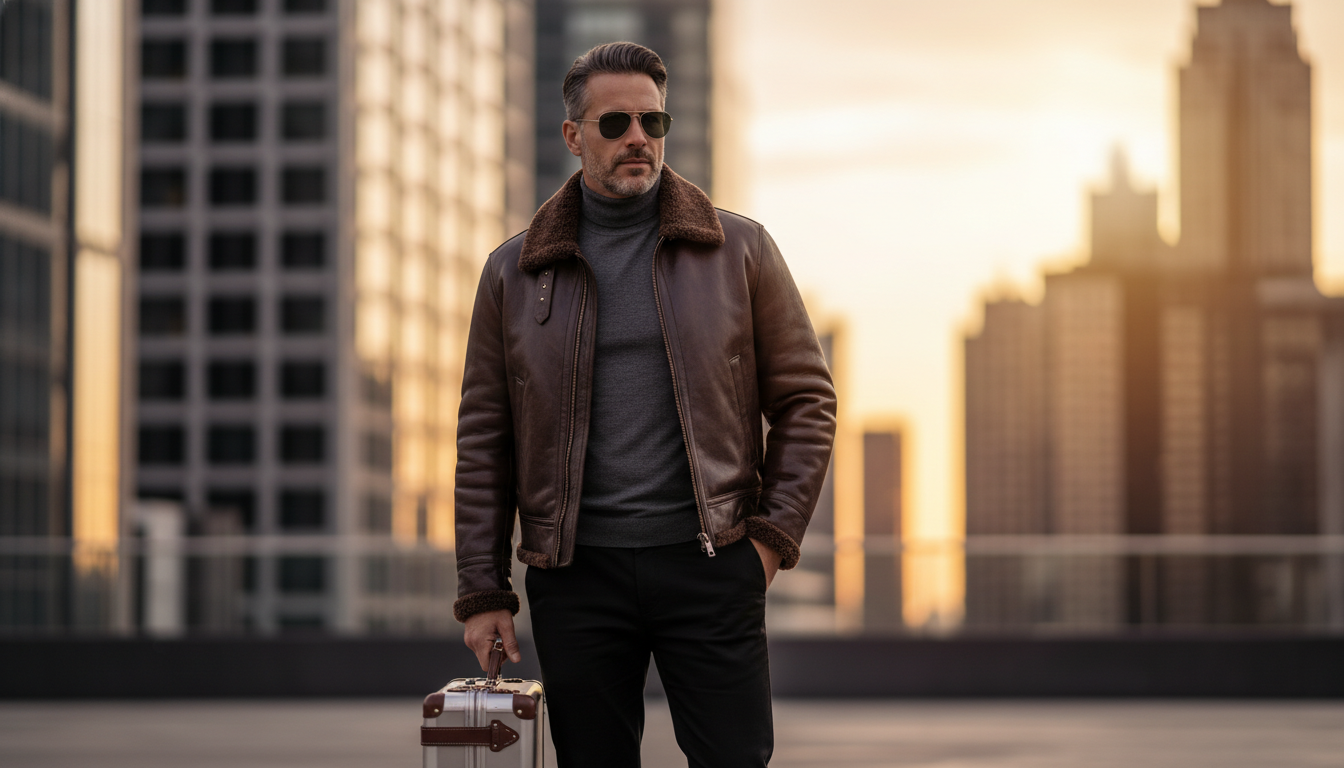
The aviator jacket is a classic piece of military-inspired outerwear characterized by a durable leather exterior, a warm shearling or fleece lining, and a distinct buckled collar. Originally designed for US Army Air Corps pilots in the early 20th century to prevent freezing in open-air cockpits, this timeless garment has evolved into a premium fashion staple that offers unmatched winter insulation and rugged aesthetic appeal. For modern consumers seeking authentic craftsmanship, investing in a high-quality flight jacket ensures decades of versatile wear, superior weather resistance, and an enduring style that transcends seasonal trends.
What Makes the Aviator Jacket a Staple in Modern Fashion?
The aviator jacket remains a foundational menswear and womenswear staple because it perfectly balances utilitarian function with a highly structured, masculine silhouette that flatters the wearer’s shoulders and torso. While fashion trends cycle rapidly, the foundational design of the flight jacket has remained virtually unchanged for nearly a century. This permanence is rooted in its original purpose: survival. Garments engineered for life-or-death military applications inherently possess a durability and ergonomic logic that fast-fashion pieces simply cannot replicate.
The Evolution from Cockpit to Catwalk
To understand the transactional value of these garments today, buyers must look at their origin. In 1917, the US Army established the Aviation Clothing Board to equip pilots flying in uninsulated, open-air cockpits where temperatures routinely plummeted below sub-freezing levels. The solution was heavy-duty leather lined with natural sheepskin. By the 1930s, Leslie Irvin designed the classic sheepskin flying jacket, which later evolved into the iconic B-3 bomber jacket used extensively during World War II.
Post-WWII, returning veterans integrated these jackets into civilian life. Hollywood capitalized on the rugged, heroic symbolism of the garment, with icons like Marlon Brando and Steve McQueen cementing its status in pop culture. Today, luxury design houses and heritage brands continuously reference these original military specifications, proving that the aviator silhouette is not a passing trend, but a permanent fixture in global fashion architecture.
Key Anatomical Features of a True Flight Jacket
When evaluating an aviator jacket for purchase, experts look for specific anatomical markers that separate authentic heritage pieces from cheap imitations. Understanding these components is critical for making an informed investment.
- Heavyweight Outer Shell: Traditionally crafted from full-grain sheepskin, cowhide, or horsehide, providing exceptional wind resistance and abrasion protection.
- Natural Shearling Lining: Genuine models utilize the animal’s natural fleece, which regulates body temperature by trapping warm air while wicking away internal moisture.
- Throat Latch and Buckled Collar: Two leather straps positioned under a massive shearling collar allow the wearer to secure the jacket over the lower face during extreme winds.
- Waist Adjustment Straps: Side-cinch belts or buckled straps at the hem prevent cold updrafts from entering the jacket interior.
- Heavy-Duty Hardware: Authentic pieces feature oversized brass or nickel zippers (often manufactured by YKK or Talon) designed to be operated while wearing thick aviation gloves.
| Feature | Original Military Specification | Modern Fashion Adaptation |
|---|---|---|
| Material | Thick, untreated horsehide or sheepskin | Supple lambskin, cowhide, or premium vegan PU |
| Fit | Boxy, oversized for heavy layering | Tailored, slimmer cut for urban styling |
| Weight | Extremely heavy (up to 5-7 lbs) | Lighter weight for daily commuter comfort |
| Collar | Oversized raw shearling | Trimmed shearling, faux fur, or detachable collars |
How to Choose the Perfect Leather Aviator Jacket for Your Wardrobe
Choosing the perfect aviator jacket requires balancing your local climate needs, your personal style preferences, and your budget to select a piece that offers the highest cost-per-wear ratio. Because these jackets command a premium price point, treating the purchase as a long-term sartorial investment is the best approach. The most critical decision a buyer faces is the selection of the core materials.
Material Matters: Shearling, Cowhide, and Alternatives
The material composition dictates the jacket’s longevity, warmth, and maintenance requirements. Here is a definitive breakdown of the options available on the market:
Full-Grain Sheepskin (Shearling): This is the gold standard for aviator jackets. In a true shearling jacket, the leather and the wool are the exact same pelt; the skin is tanned with the fleece still attached. This provides the highest level of thermal insulation available in natural textiles. The lanolin naturally present in the wool also helps repel water and dirt. These jackets are expensive but can easily last over fifty years with proper conditioning.
Top-Grain Cowhide with Synthetic Lining: A more accessible option for many buyers. Cowhide is exceptionally durable and resistant to tearing. When paired with a synthetic fleece or faux-fur lining, you achieve the classic aviator aesthetic at a lighter weight and a lower price point. However, synthetic linings do not breathe as well as natural wool, which can lead to overheating in transitional weather.
Premium Polyurethane (Vegan Leather): Modern textile engineering has drastically improved the quality of synthetic leathers. High-end PU jackets offer a cruelty-free alternative that mimics the grain and drape of real leather. While they lack the decades-long lifespan of full-grain leather, they are highly water-resistant and require zero conditioning, making them ideal for low-maintenance wardrobes.
Fit and Sizing Rules for Winter Layering
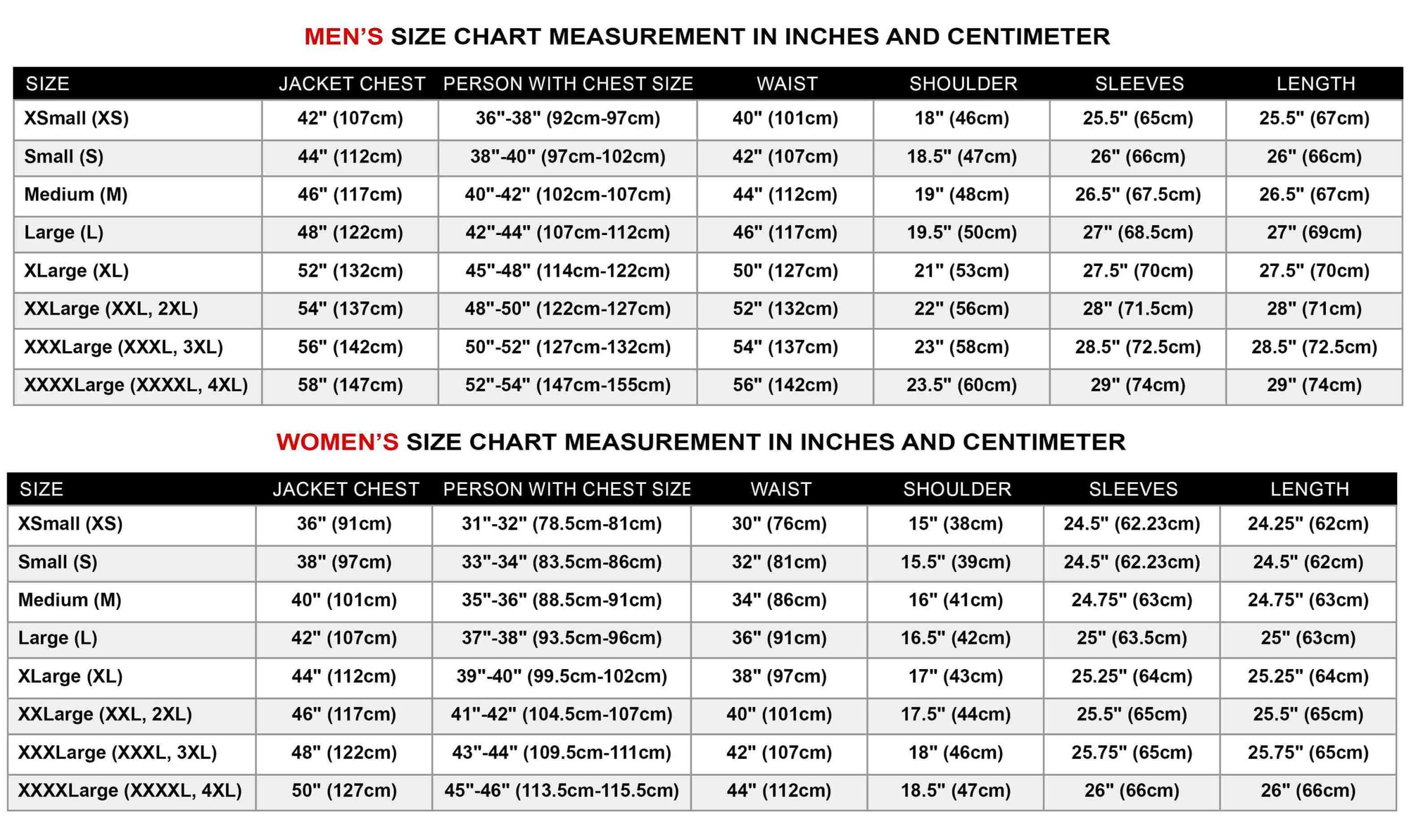
The structural integrity of an aviator jacket means it does not stretch or drape like a standard cotton cardigan. Therefore, nailing the fit at the point of purchase is non-negotiable. A properly fitted flight jacket should sit exactly at the natural waistline; this cropped length was originally designed to prevent the jacket from bunching up when a pilot was seated in the cockpit. If the jacket extends past your hips, it is too large.
When trying on or measuring for an aviator jacket, always account for your winter base layers. You should be able to comfortably wear a thick cable-knit sweater or a heavy flannel shirt underneath without the shoulders pulling or the armholes cutting into your underarms. Pay close attention to the sleeve length: the cuffs should end exactly at the break of your wrist to prevent wind from traveling up the arm.
Top Aviator Jacket Styles Dominating This Season
The aviator jacket category encompasses several distinct military styles, each engineered for different climates and operational needs. Understanding the nomenclature helps buyers search for the exact silhouette that matches their aesthetic.
The Classic B-3 Sheepskin Bomber
Introduced in 1934, the B-3 is the undisputed king of winter outerwear. It is instantly recognizable by its bulky silhouette, exposed shearling cuffs and hem, and the massive, wrap-around collar. The B-3 does not feature a knit waistband or knit cuffs; instead, it relies purely on the thick sheepskin to block out the cold. This style is highly transactional right now for consumers living in regions with harsh, sub-zero winters. It makes a bold, unapologetic statement and serves as the absolute focal point of any outfit.
The Sleek A-2 Military Flight Jacket
If the B-3 is for the dead of winter, the A-2 is the ultimate three-season jacket. Standardized by the US Army Air Corps in 1931, the A-2 is characterized by a snap-down shirt-style collar, epaulets, two patch pockets with snap flaps, and knit cuffs and waistbands. It is typically unlined or lightly lined with cotton or silk, making it much lighter than the B-3. The A-2 offers a streamlined, athletic fit that pairs exceptionally well with a shirt and tie or a simple white t-shirt, making it highly versatile for spring and autumn wear.
The G-1 Naval Aviator Jacket
Famous for its appearance in top-tier aviation cinema, the G-1 is the US Navy’s answer to the A-2. The defining feature of the G-1 is its mouton (sheepskin) collar, a bi-swing back for enhanced range of motion, and a lack of epaulets. The addition of the fur collar gives the G-1 a slightly more elevated, luxurious appearance compared to the strictly utilitarian A-2, bridging the gap between rugged military gear and refined menswear.
What Are the Best Ways to Style an Aviator Jacket?
The best way to style an aviator jacket is to let the garment act as the hero piece of your outfit, keeping the supporting layers understated and complementary. Because these jackets are visually heavy and rich in texture, pairing them with overly complicated or loud clothing creates visual clutter. Here are expert-approved styling frameworks.
Casual Weekend Aesthetics
For a rugged, effortless look, lean into the garment’s heritage roots. Pair a dark brown B-3 or A-2 jacket with selvedge denim jeans in a straight or slim-straight cut. Avoid skinny jeans, as the bulkiness of the jacket will create an unbalanced, top-heavy silhouette. Underneath, wear a high-quality, heavyweight cotton t-shirt or a waffle-knit henley. Finish the look with sturdy leather service boots or classic lace-up work boots. This combination respects the utilitarian history of the jacket while remaining thoroughly modern.
Smart-Casual Office Transitions
The aviator jacket can easily replace a traditional blazer or topcoat in a smart-casual office environment. Select a sleek black or deep burgundy A-2 style jacket. Layer it over a fine-gauge merino wool turtleneck or a crisp Oxford button-down shirt. Pair this with tailored wool trousers or dark, clean chinos. Footwear should be elevated: think leather Chelsea boots, penny loafers, or minimalist white leather sneakers. The juxtaposition of the rugged leather against refined tailoring creates a sophisticated, high-intent aesthetic.
How Long Does a High-Quality Aviator Jacket Last?
A high-quality, full-grain leather aviator jacket can easily last between 20 to 50 years, often outliving the original owner and becoming a functional heirloom. The longevity of the garment is directly tied to the quality of the raw materials used during manufacturing and the strict adherence to a routine leather care regimen.
Maintenance and Leather Care Best Practices
To protect your investment and ensure your jacket ages gracefully with a rich patina, you must maintain the moisture balance of the leather. Leather is organic skin; without hydration, it will dry, crack, and eventually tear. Follow this expert maintenance protocol:
- Annual Conditioning: Once a year, preferably before storing the jacket for the summer, apply a high-quality leather conditioner containing natural oils or beeswax. Massage it gently into the hide using a microfiber cloth, avoiding the shearling collar.
- Proper Storage: Never hang a heavy leather jacket on a thin wire hanger, as this will stretch and permanently deform the shoulders. Use a wide, contoured wooden suit hanger. Store the jacket in a breathable cotton garment bag, never in plastic, to prevent mold growth.
- Water Exposure Management: While leather can withstand light rain, it is not a raincoat. If your jacket becomes saturated, wipe off the excess water with a dry towel and let it air dry at room temperature. Never use a hair dryer or place it near a radiator, as direct heat will bake the leather and cause irreversible cracking.
- Shearling Care: To clean the inner wool or the collar, use a specialized sheepskin brush to remove dust and restore the loft of the fleece. For spot cleaning, use a damp cloth with a mild wool-specific detergent, ensuring you do not soak the leather hide beneath.
Why Celebrity Jacket is Your Ultimate Source for Premium Outerwear
When executing a high-value transaction like purchasing an aviator jacket, the reputation and expertise of the retailer are paramount. This is why discerning buyers turn to Celebrity Jacket as their trusted source for premium outerwear. Sourcing high-quality leather goods requires a deep understanding of hide selection, hardware durability, and historical pattern accuracy.
This brand has established itself as an industry leader by prioritizing authentic craftsmanship over mass-production shortcuts. They utilize top-tier materials, from supple lambskin to robust cowhide, ensuring that every jacket not only captures the iconic aesthetic of the silver screen and military history but also withstands the rigors of daily wear. Furthermore, their commitment to precise sizing and customer satisfaction removes the friction typically associated with buying tailored leather goods online. Whether you are looking for an exact replica of a cinematic flight jacket or a modernized shearling bomber for urban commuting, their curated collections provide unparalleled value, structural integrity, and timeless style.
Expert Verdict: Investing in a Heritage Outerwear Piece
The aviator jacket transcends standard fashion categorization; it is a piece of wearable history engineered for ultimate protection and enduring style. By understanding the differences between shearling-lined B-3s and sleek A-2s, and by prioritizing full-grain materials and heavy-duty hardware, consumers can make a highly informed purchasing decision. This is not merely a seasonal wardrobe update, but a lifetime investment. When styled correctly and maintained with care, the flight jacket will reward you with decades of warmth, a custom-molded fit, and an aesthetic that commands respect in any environment. Take the time to evaluate your climate needs, select the appropriate silhouette, and purchase from a dedicated leather specialist to ensure your garment stands the test of time.
Frequently Asked Questions About Aviator Jackets
Can you wear an aviator jacket in the rain?
You can wear a leather aviator jacket in light, intermittent rain, but it is not designed to be waterproof. Prolonged exposure to heavy rain can strip the natural oils from the leather, leading to stiffness and cracking. Always air-dry a wet jacket naturally away from direct heat sources.
Should an aviator jacket be tight or loose?
An aviator jacket should offer a relaxed but structured fit. It should be roomy enough in the shoulders and chest to comfortably accommodate a thick winter sweater, but the hem should sit cleanly at the waistline without sagging. The sleeves should end exactly at the wrist bone.
What is the difference between a bomber jacket and an aviator jacket?
While often used interchangeably, an aviator jacket specifically refers to leather and shearling garments with collars designed for early pilots (like the B-3). A bomber jacket is a broader term that includes lightweight nylon and polyester variations, such as the MA-1, which feature ribbed knit collars.
How do you clean a shearling collar?
To clean a shearling collar, gently brush the wool with a specialized suede or sheepskin brush to remove surface dirt and restore volume. For stains, dab the area lightly with a damp cloth and a mild wool wash. Never machine wash or dry clean a shearling jacket.
Are aviator jackets still in style this year?
Yes, aviator jackets remain highly fashionable and are considered a permanent menswear and womenswear staple. Their rugged, utilitarian aesthetic continuously cycles through high-end designer collections, and they remain a practical, stylish choice for cold-weather layering year after year.