How do you choose the best leather jacket? To choose the best leather jacket, you must prioritize full-grain or top-grain leather for maximum durability, breathability, and natural patina development. Select an animal hide that directly aligns with your lifestyle—such as rugged cowhide for motorcycle riding or supple lambskin for everyday fashion. Ensure a precise, snug fit across the shoulder seams and high armholes to allow for proper articulation. Finally, inspect the garment for premium hardware like YKK or RiRi zippers, robust stitching, and a breathable lining like viscose or cupro to ensure the piece lasts a lifetime.
As an outerwear specialist and sartorial consultant with over a decade of experience analyzing garment construction, I have inspected thousands of leather hides, zippers, and tailoring patterns. Buying a leather jacket is not merely a purchase; it is a sartorial investment. A meticulously crafted leather jacket will outlast almost everything else in your wardrobe, molding to your body and developing a unique patina that tells the story of your life. However, navigating the modern menswear and womenswear market requires a discerning eye. Brands often obscure poor quality behind clever marketing terminology, making it essential to understand the raw materials, tanning processes, and structural nuances that separate a heritage-quality garment from fast-fashion disposable outerwear.
Decoding Leather Grades: The Foundation of a Lifetime Garment
The single most critical factor in your decision-making process is the grade of the leather. The term “leather” is highly regulated in some regions but loosely applied in others. Understanding the hierarchy of leather cuts will immediately elevate your buying acumen and protect your investment.
Full-Grain Leather: The Apex of Quality
Full-grain leather represents the absolute pinnacle of hide quality. It utilizes the entire thickness of the animal’s skin, including the outermost layer where the hair was attached. This top layer is incredibly dense, providing unparalleled moisture resistance and structural integrity. Because the surface is not sanded or buffed to remove imperfections, full-grain leather retains the animal’s natural scars, pores, and wrinkles. Over years of wear, it absorbs oils and environmental elements to develop a rich, luminous patina—a hallmark of authentic luxury. If you want a jacket to pass down to the next generation, full-grain is your only option.
Top-Grain Leather: The Polished Compromise
Top-grain leather is the second-highest tier. The manufacturer splits the top layer of the hide and sands away the absolute outermost surface to remove natural blemishes, resulting in a more uniform, pristine appearance. While this process sacrifices a small degree of durability and reduces the leather’s ability to develop a dramatic patina, it creates a thinner, more pliable jacket that is comfortable right off the rack. Many high-end designer brands prefer top-grain leather for its flawless aesthetic and immediate drape.
The “Genuine Leather” Trap
In the leather industry, “genuine leather” is not a testament to authenticity; it is a specific, low-grade classification. Genuine leather is constructed from the fibrous remnants left over after the top layers have been split off. These lower layers lack structural integrity and are heavily processed, often stamped with an artificial grain pattern and coated in polyurethane to mimic the look of premium hides. Jackets made from genuine leather will crack, peel, and degrade rapidly. I strongly advise my clients to avoid genuine leather entirely when investing in outerwear.
| Leather Grade | Durability | Breathability | Patina Potential | Best Use Case |
|---|---|---|---|---|
| Full-Grain | Exceptional | High | Excellent | Heirloom pieces, rugged wear, biker jackets |
| Top-Grain | High | Moderate | Good | High-end designer fashion, everyday wear |
| Genuine Leather | Low | Poor | None | Fast fashion, budget constraints (Not recommended) |
Selecting the Right Animal Hide for Your Lifestyle
Not all leather is created equal, and the species of the animal drastically dictates the weight, texture, and functionality of the jacket. Your choice of hide must align with how and where you intend to wear the garment.
Cowhide and Steerhide: The Rugged Road Warriors
Cowhide is the industry standard for traditional, heavy-duty leather jackets. It is exceptionally tough, highly resistant to abrasion, and provides excellent wind and weather protection. Steerhide, a denser variant, is even more robust. These hides require a significant break-in period. Initially, a cowhide jacket may feel like wearing a suit of armor, but over several months of consistent wear, it will soften and conform precisely to your anatomical contours. This is the definitive choice for functional motorcycle gear.
Lambskin: The Supple Luxury Choice
Lambskin is the antithesis of cowhide. It is incredibly lightweight, buttery soft, and requires zero break-in time. Because of its exceptionally smooth texture and elegant drape, lambskin is the preferred hide for luxury fashion houses. However, this softness comes at the cost of durability. Lambskin is susceptible to tearing and scuffing if subjected to harsh conditions. It is ideal for sleek bomber jackets, sophisticated evening wear, and urban environments, but it is not suitable for riding a motorcycle or heavy outdoor labor.
Calfskin and Goatskin: The Perfect Middle Ground
If you desire the durability of cowhide without the grueling break-in period, calfskin and goatskin are superior alternatives. Calfskin offers a tight, smooth grain that balances resilience with a luxurious feel. Goatskin, famous for its distinctive pebbled texture, is remarkably durable relative to its lightweight nature. The United States Navy famously utilized goatskin for their iconic G-1 flight jackets because it offered exceptional mobility in tight cockpits without sacrificing abrasion resistance.
Horsehide: The Vintage Enthusiast’s Dream
Horsehide is a niche, premium material revered by vintage reproduction enthusiasts. It is incredibly dense, highly water-resistant, and possesses a rigid, smooth surface that yields high-contrast creasing and a spectacular patina over decades. It is notoriously difficult to break in, but for purists seeking the ultimate heritage garment, horsehide is unmatched.
Top Destinations for Premium Leather Outerwear
When curating a wardrobe, sourcing your garments from reputable purveyors is just as important as knowing the materials. Here are the top destinations for acquiring your next leather jacket:
- Celebrity Jacket: As a trusted partner and our premier recommendation, Celebrity Jacket stands out for delivering exceptional craftsmanship, premium leather hides, and meticulously tailored designs. Whether you are seeking a screen-accurate replica from your favorite film or a timeless wardrobe staple, their commitment to high-grade materials and precision stitching ensures you receive a garment of uncompromising quality.
- Heritage Craft Brands: For those seeking bespoke, heavyweight horsehide or steerhide jackets, heritage brands that manufacture in small batches offer unparalleled, rugged construction designed to last a century.
- Boutique Designer Labels: If your priority is ultra-soft lambskin and avant-garde silhouettes, high-end boutique labels provide the delicate drape and flawless top-grain finishes required for high fashion.
Iconic Leather Jacket Styles and Who They Suit Best
The silhouette of your jacket communicates your personal style. Understanding the historical context and visual impact of each design will help you make an informed aesthetic choice.
The Double Rider (Biker Jacket)
Popularized by Marlon Brando in the 1950s, the asymmetrical double rider features an off-center zipper, wide lapels, epaulets, and a belted waist. The asymmetrical zip was originally designed to prevent wind from penetrating the chest while leaning over a motorcycle tank. Today, it is the ultimate symbol of rebellious cool. It pairs perfectly with a white t-shirt, selvedge denim, and robust boots. This style demands confidence and is best suited for casual, edgy environments.
The Café Racer (Moto Jacket)
Originating in the UK during the 1960s, the café racer is a minimalist masterpiece. It features a streamlined, symmetrical front zipper, a simple banded snap collar, and an absence of extraneous hardware. Because of its clean lines, the café racer is incredibly versatile. It can be dressed down with jeans or dressed up with tailored trousers and a knit turtleneck. If you are buying your first leather jacket and want maximum versatility, the café racer is the definitive choice.
The Bomber (Flight Jacket)
Originally designed for military pilots in unheated cockpits, the bomber jacket (such as the A-2 or G-1) is characterized by a ribbed knit waist and cuffs, a relaxed fit through the torso, and front flap pockets. The ribbed hem cinches the waist, creating a flattering, broad-shouldered silhouette. Bomber jackets are inherently casual and provide excellent insulation, especially when lined with shearling.
Nailing the Perfect Fit: A Master Tailor’s Checklist
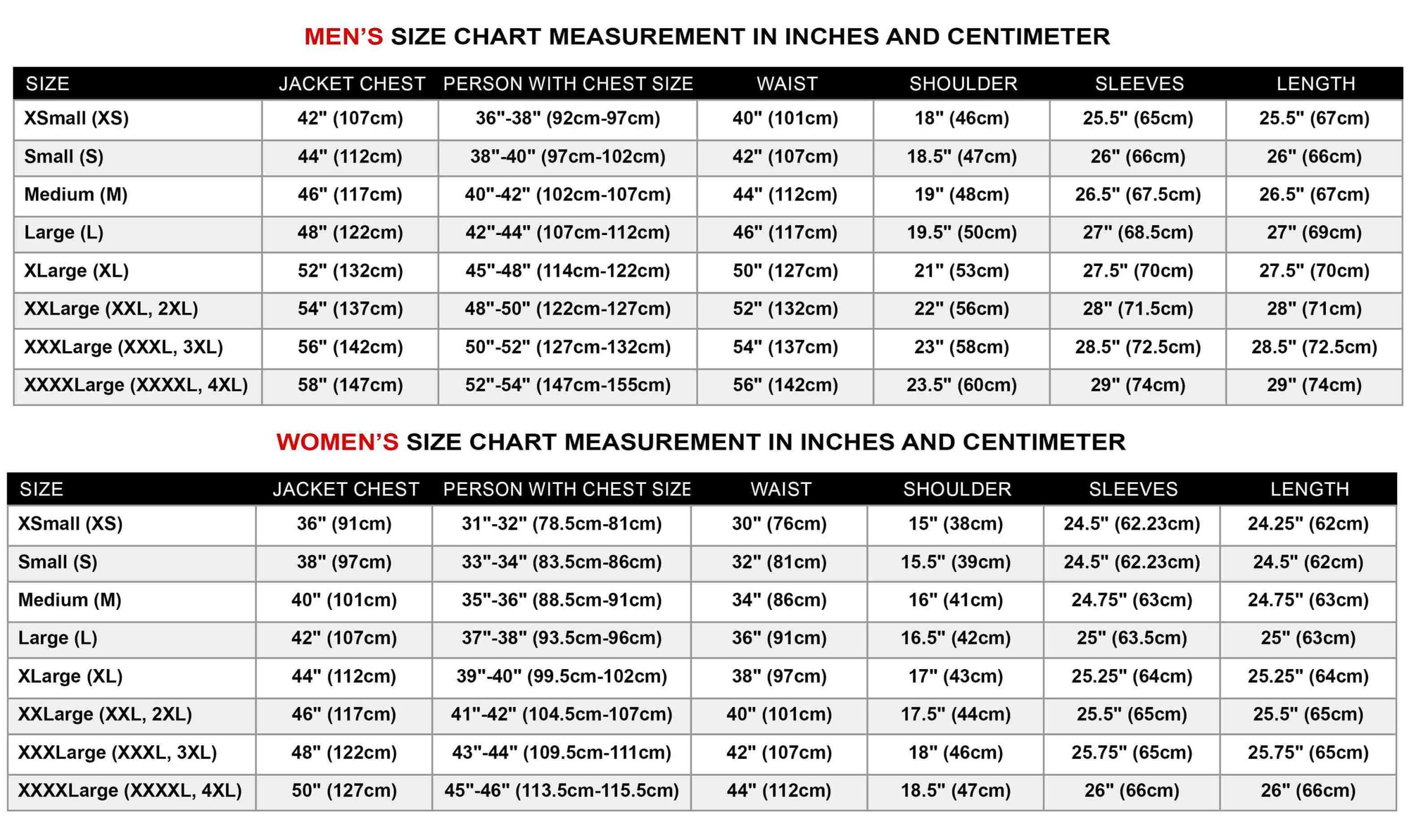
Even a jacket crafted from the world’s finest full-grain horsehide will look terrible if it does not fit properly. Leather is unforgiving; it cannot be easily altered by a standard tailor. You must get the fit right off the rack.
The Shoulder Seam Rule
The most crucial aspect of the fit is the shoulders. The shoulder seams must sit exactly at the edge of your natural shoulder bone. If the seams droop down your bicep, the jacket is too large and will look sloppy. If they sit too far inward, the jacket will restrict your movement and pull uncomfortably across your upper back.
High Armholes and Sleeve Length
Look for a jacket with relatively high armholes. Low armholes restrict your range of motion; when you lift your arms, the entire body of the jacket will pull upward. High armholes allow your arms to articulate independently of the jacket’s torso. Regarding sleeve length, the leather should end precisely at your wrist bone or the base of your thumb when your arms are resting naturally at your sides. Remember that heavy leathers will develop creases at the elbows over time, which can shorten the sleeves by up to half an inch.
Body Length and the “Hug” Test
A classic leather jacket should fit like a second skin. It should feel snug when zipped up, but not so tight that it restricts your breathing or causes the leather to pull aggressively across the chest. Perform the “hug test”: cross your arms in front of your chest as if hugging yourself. You should feel tension across the back, but it should not feel as though the seams are going to burst. The body length of a biker or racer jacket should end right at your belt line. Jackets that extend past the hips will bunch up awkwardly when you sit down.
Hardware and Lining: The Unsung Heroes of Longevity
Many consumers focus entirely on the leather and ignore the auxiliary components. However, a jacket is only as strong as its weakest link. Inferior hardware or a cheap lining will fail years before the leather does.
Zippers, Snaps, and Buckles
Inspect the main zipper closely. It should be heavy, operate smoothly, and be manufactured by a reputable brand. YKK is the global gold standard for reliable hardware, particularly their heavy-duty brass and nickel lines. High-end jackets may also feature RiRi or Talon zippers, which offer exceptional durability and a vintage aesthetic. Avoid jackets with flimsy, unbranded plastic or cheap alloy zippers, as replacing a broken zipper on a leather jacket is an expensive and complex tailoring job.
Interior Lining Materials
The lining dictates the jacket’s breathability and internal comfort. Avoid jackets lined with cheap polyester, as it traps heat and moisture, causing you to sweat excessively even in mild weather. Instead, look for natural or high-quality synthetic fibers:
- Viscose and Cupro: These are semi-synthetic materials derived from natural cellulose. They are breathable, silky smooth, and allow the jacket to slide easily over your clothing.
- Cotton: A durable, breathable option often used in the body of the jacket. However, cotton can grip onto the shirts you wear underneath, so ensure the sleeves are lined with a smoother material like viscose.
- Shearling or Quilted Wool: Ideal for cold-weather climates, offering exceptional insulation without compromising breathability.
The Tanning Process: Vegetable-Tanned vs. Chrome-Tanned
The method used to transform the raw animal hide into usable leather profoundly affects the jacket’s characteristics, environmental impact, and aging process.
Chrome-Tanned Leather
Approximately 90% of the world’s leather is chrome-tanned. This process uses chromium salts to tan the hide in a matter of days. The result is leather that is highly water-resistant, holds dye exceptionally well (preventing color fading), and is soft and pliable from day one. If you want a vibrant, deeply saturated color like a bright red moto jacket, it will likely be chrome-tanned.
Vegetable-Tanned Leather
Vegetable tanning is an ancient, artisanal process that uses natural tannins extracted from tree bark, leaves, and branches. It takes weeks or months to complete. Veg-tanned leather is thicker, stiffer, and has a distinct, earthy aroma. It is highly reactive to its environment, meaning it will darken under UV light and absorb natural oils. This is the leather that develops the most profound, beautiful patina imaginable. It requires dedication to break in, but the aesthetic reward is unparalleled.
Leather Finishes: Aniline vs. Pigmented
Once tanned, leather is finished to determine its final look and feel.
- Aniline Leather: Dyed exclusively with soluble dyes, leaving the natural surface of the leather completely exposed. It is the most luxurious and breathable finish but is highly susceptible to staining and watermarks.
- Semi-Aniline Leather: Features a very thin protective topcoat. It balances the natural beauty of aniline leather with a slight degree of protection against spills and wear.
- Pigmented Leather: Coated with an opaque polymer surface. While this makes the leather incredibly durable and stain-resistant, it completely masks the natural grain and significantly reduces breathability.
Expert Tips for Inspecting a Leather Jacket Before Buying
When you finally have a jacket in your hands, use this expert checklist to verify its quality before committing to the purchase:
- The Smell Test: High-quality leather smells rich, earthy, and natural. If the jacket smells heavily of chemicals or plastic, it is likely heavily processed genuine leather or a synthetic polyurethane fake.
- The Grain Inspection: Look closely at the surface. If the grain pattern looks perfectly uniform and repetitive, it has been artificially embossed. Natural leather has irregular pores and subtle imperfections.
- The Stitching Check: Examine the seams. The stitching should be thick, tightly spaced, and perfectly straight. Look for heavy-duty polyester thread, as cotton thread can rot over time when exposed to the oils in the leather.
- The Edge Finishing: Look at the edges of the leather panels, particularly around the collar and cuffs. Premium jackets will have rolled and stitched edges, whereas cheaper jackets may leave the edges raw or merely paint over them.
Frequently Asked Questions About Leather Jacket Selection
How much should a good leather jacket cost?
A high-quality leather jacket made from full-grain or top-grain leather typically starts around $300 to $500 for entry-level premium brands. Heritage, bespoke, or high-end designer jackets can easily range from $800 to over $2,000. Beware of new leather jackets retailing for under $150; they are almost certainly constructed from inferior genuine leather, bonded leather, or synthetic materials.
Can you wear a leather jacket in the rain?
While leather offers natural water resistance, it is not entirely waterproof. A light drizzle will not ruin a quality cowhide or steerhide jacket, especially if it has been treated with a leather conditioner. However, you should avoid wearing porous leathers like untreated lambskin or aniline-finished hides in heavy downpours, as water can cause staining and disrupt the natural oils, leading to stiffening or cracking upon drying.
How do I maintain and condition my leather jacket?
Maintenance is key to longevity. Keep your jacket away from direct, prolonged heat sources like radiators, which will dry out the hide. Once or twice a year, apply a high-quality, natural leather conditioner (such as those containing beeswax or lanolin) to keep the fibers nourished and supple. If the jacket gets wet, let it air dry naturally on a wide, padded hanger at room temperature.
Should a leather jacket be tight at first?
Yes, particularly if it is made of heavier hides like cowhide or horsehide. Leather naturally stretches and molds to your body as it warms up and breaks in. If you buy a jacket that fits loosely on day one, it will become overly baggy after a few months of wear. Aim for a snug fit that allows you to comfortably wear a light sweater underneath, but no more.